
Gapuwiyak Culture and Arts

0/0
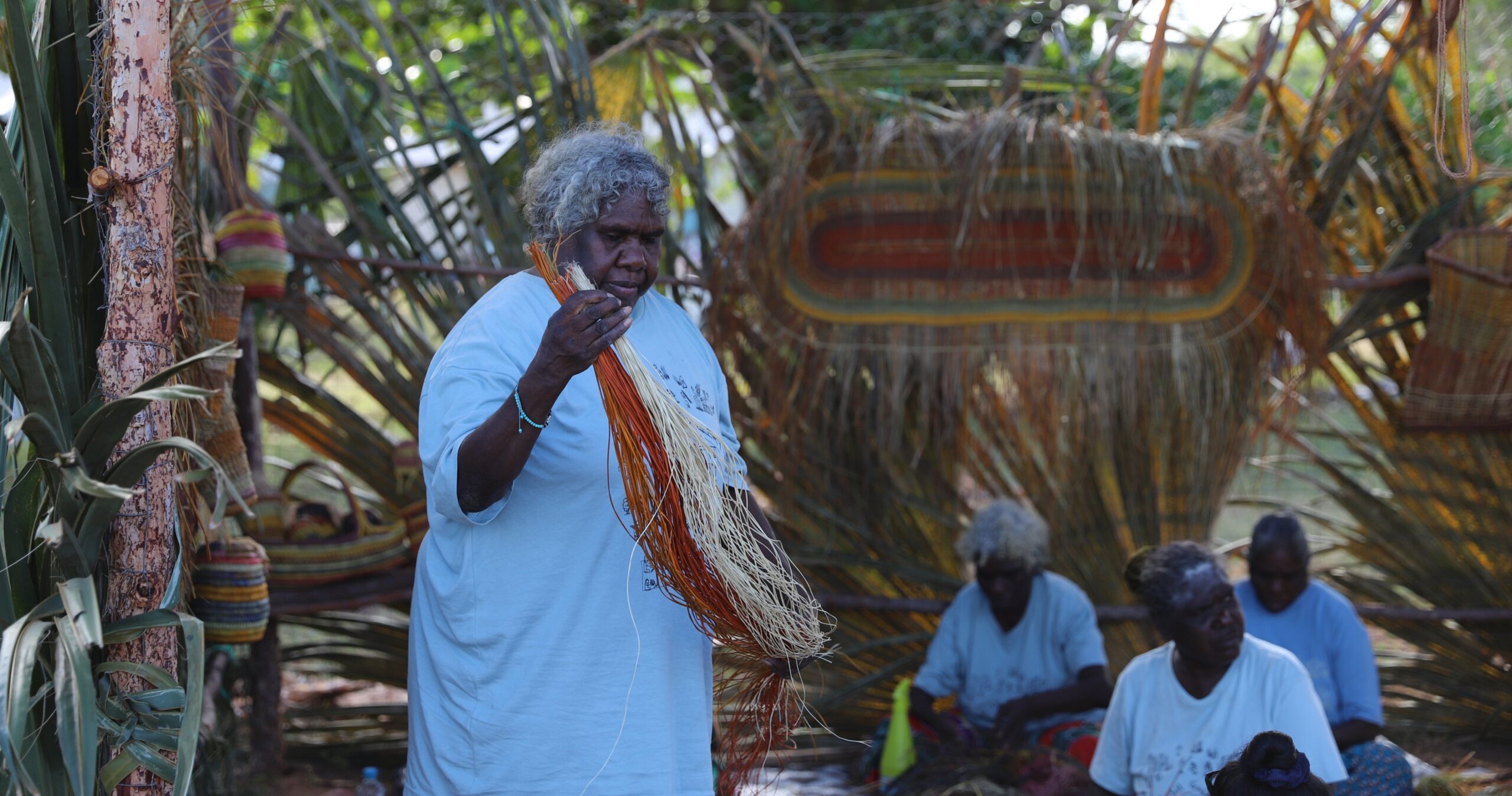
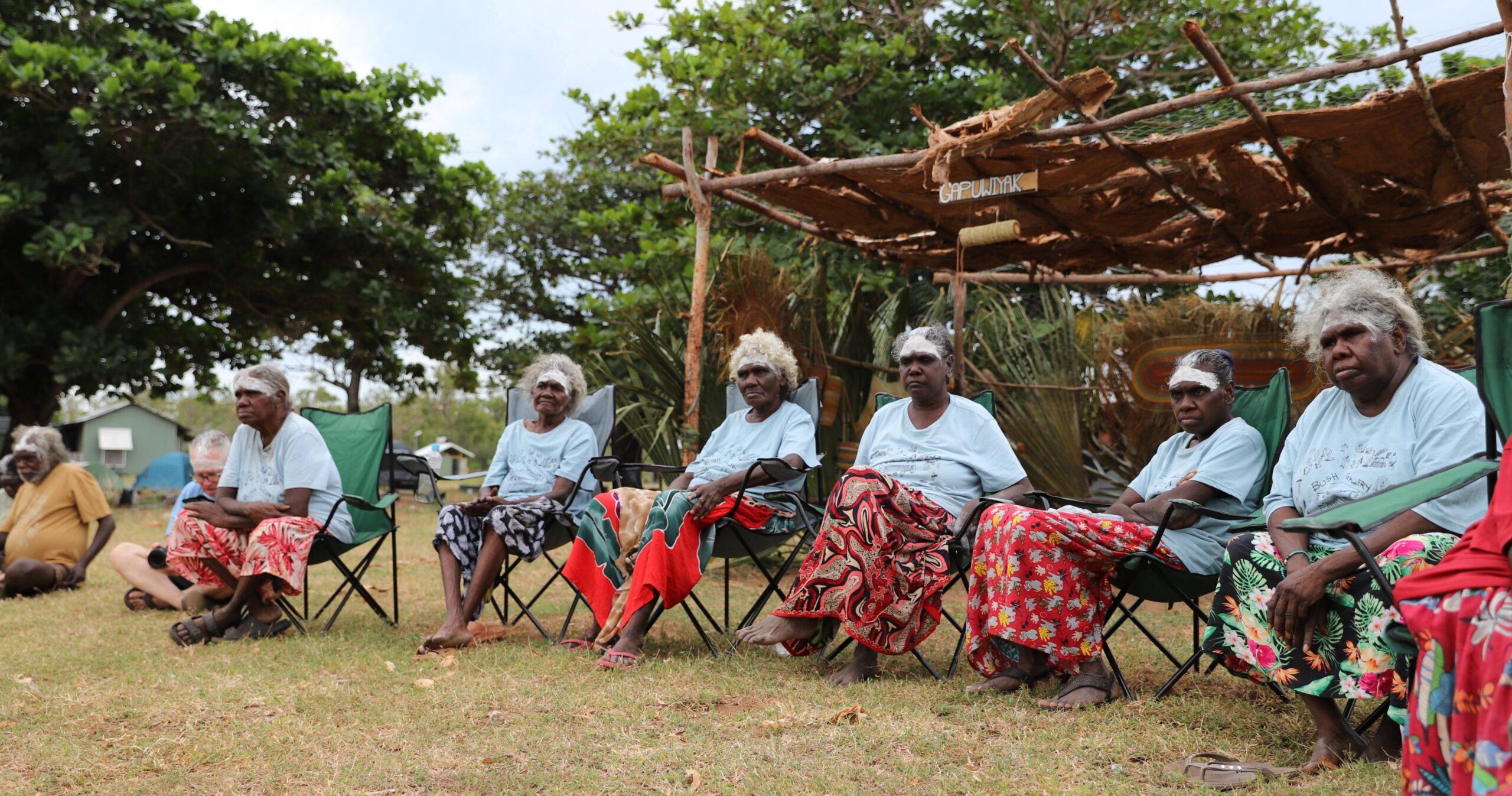
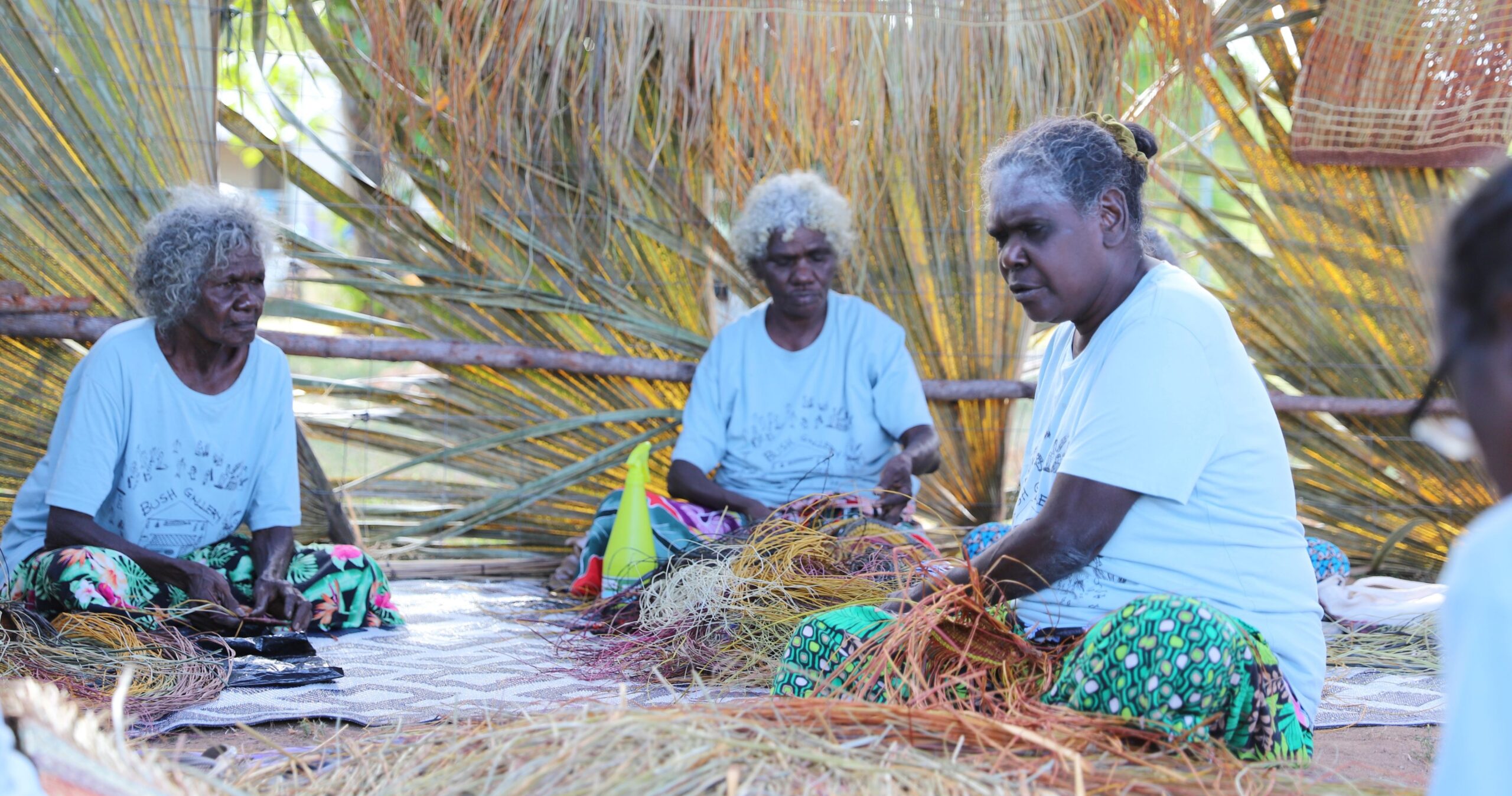
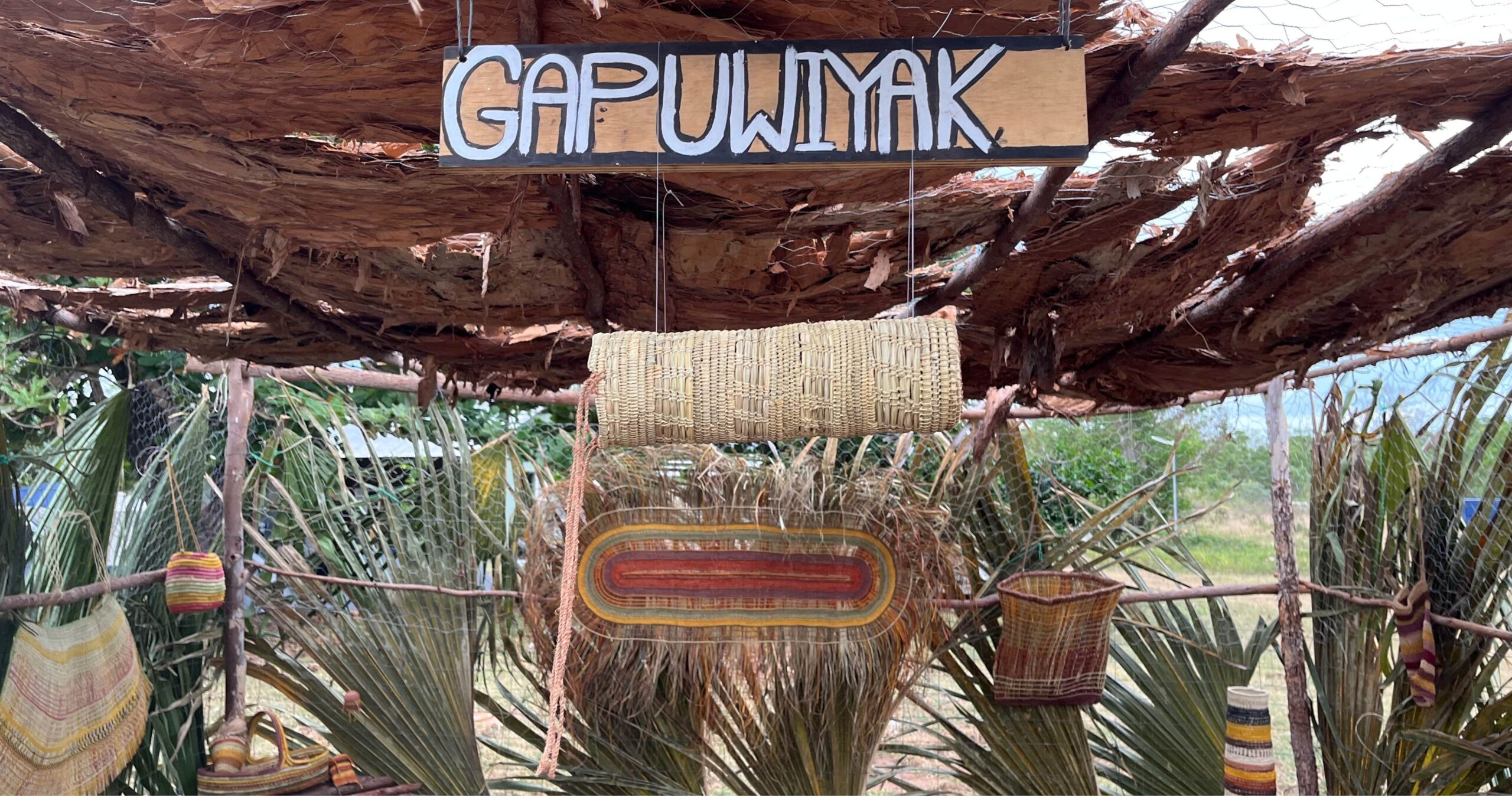
Gapuwiyak Culture and Arts is a remote Art Centre in east Arnhem Land. We are owned by our Yolŋu members, have a Yolŋu Board, and employ a Manager and Arts Workers. We support over one hundred artists from Gapuwiyak and surrounding homelands.
Gapuwiyak is a small, Yolŋu town in the middle of Miyarrka, a region around Arnhem Bay. There are eighteen clans in this region each with their own interconnected clan estates, songs, patterns and designs.
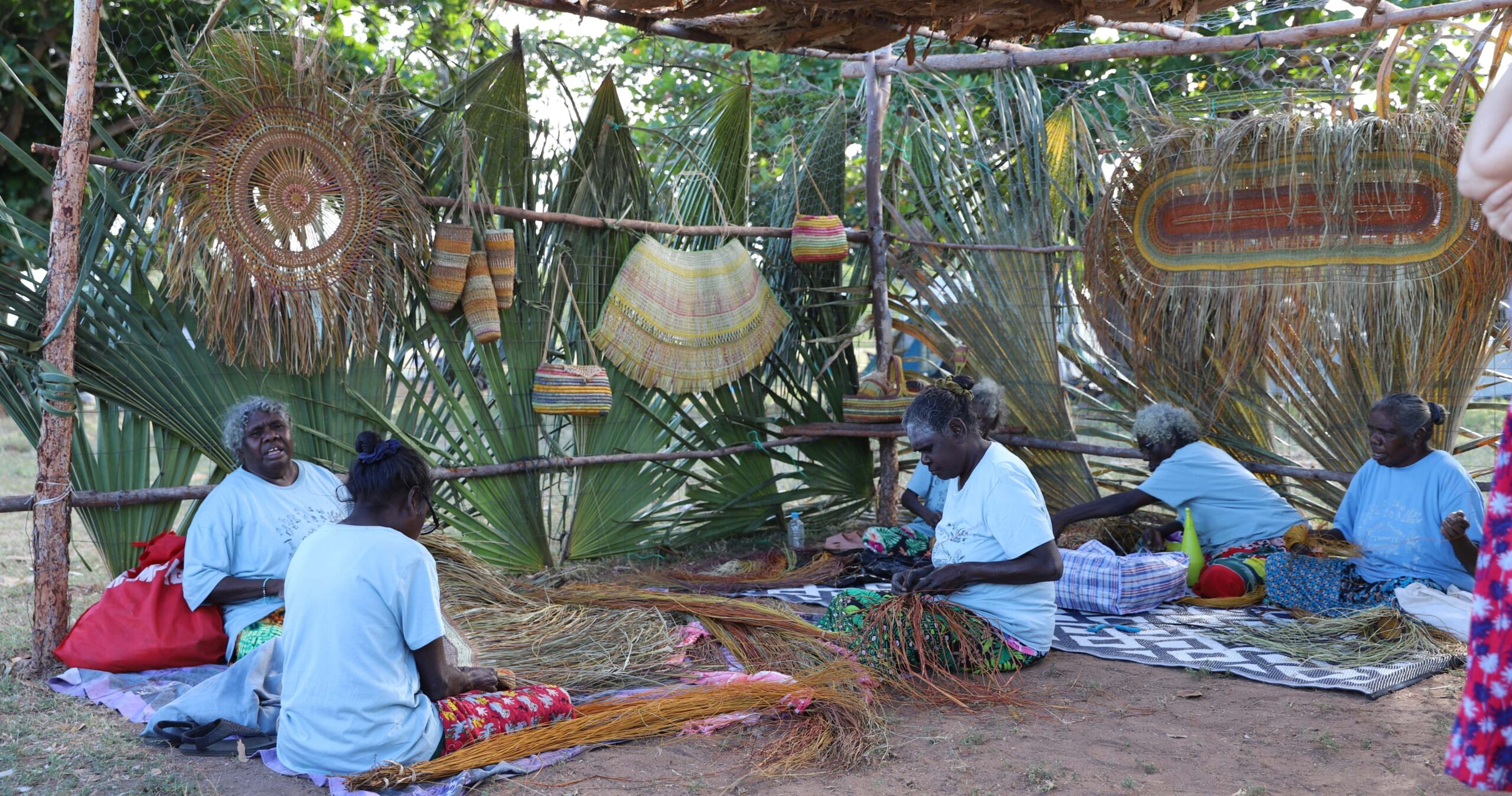
The Art Centre assists artists to collect and prepare materials, make high-quality art, explore ideas, develop knowledge and skills, exhibit, market and sell their work.
We run tourism and cultural programs. Our Culture and Art Centre is a great place to meet, relax, enjoy a coffee and learn about Yolŋu culture and art.
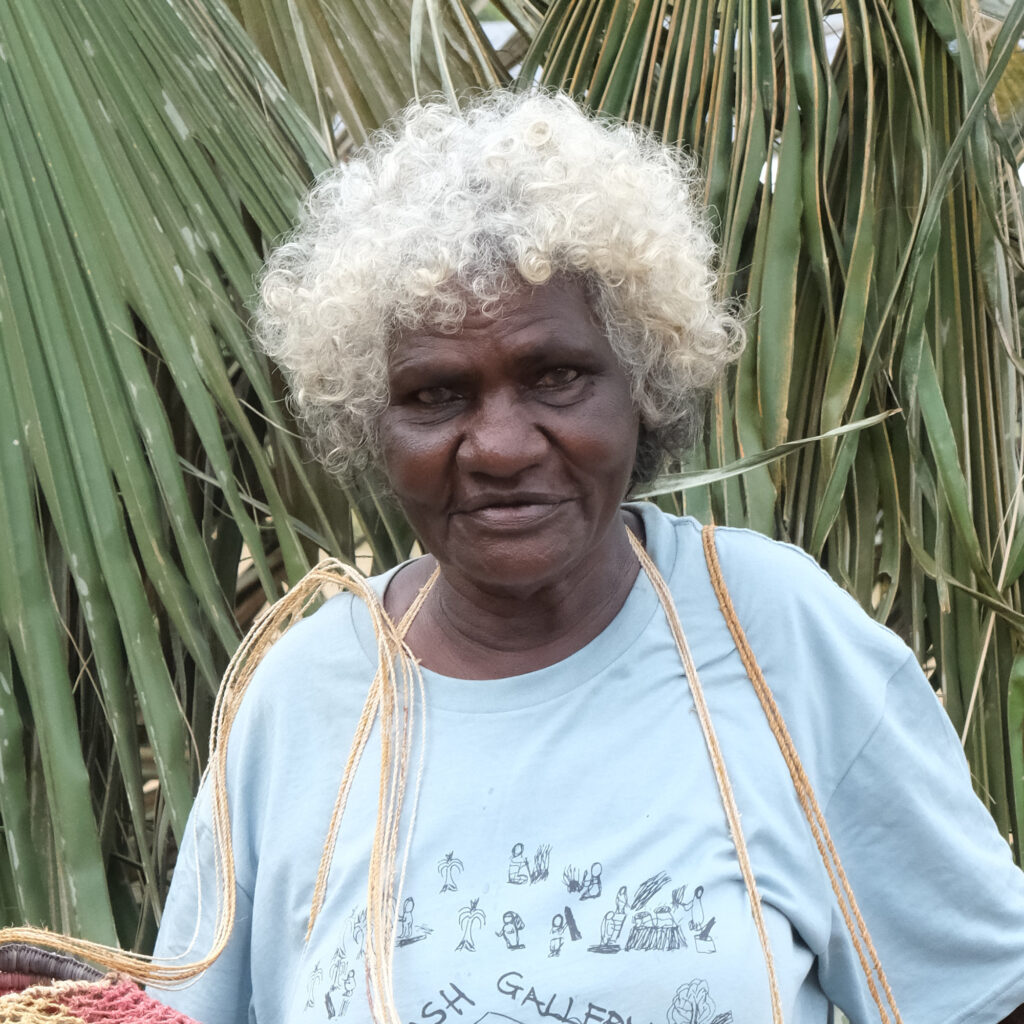
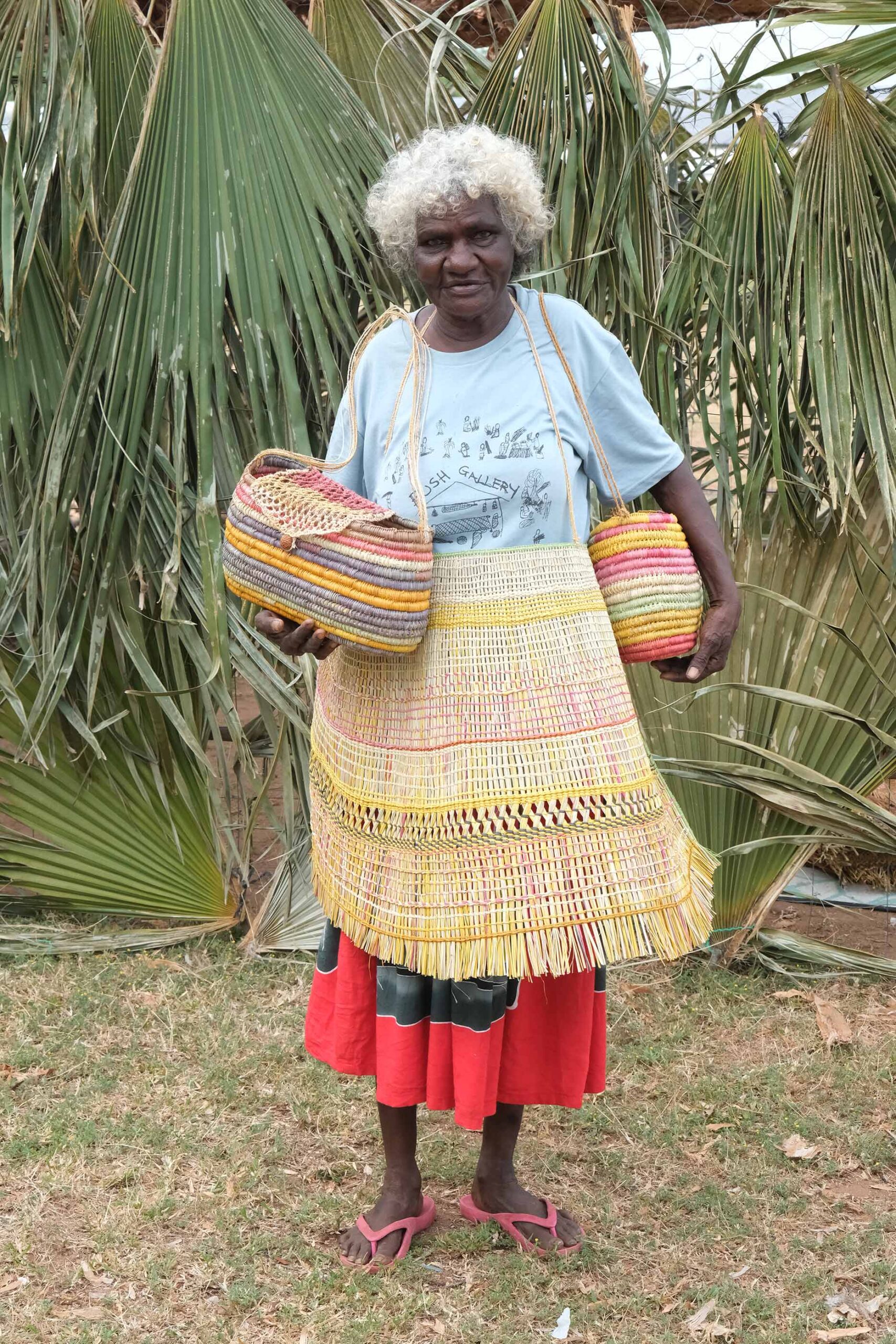
Lucy Wanapuyngu
Gapuwiyak Culture and Arts
Clan: Wanapuyngu
Laŋarra Bush Gallery 2024
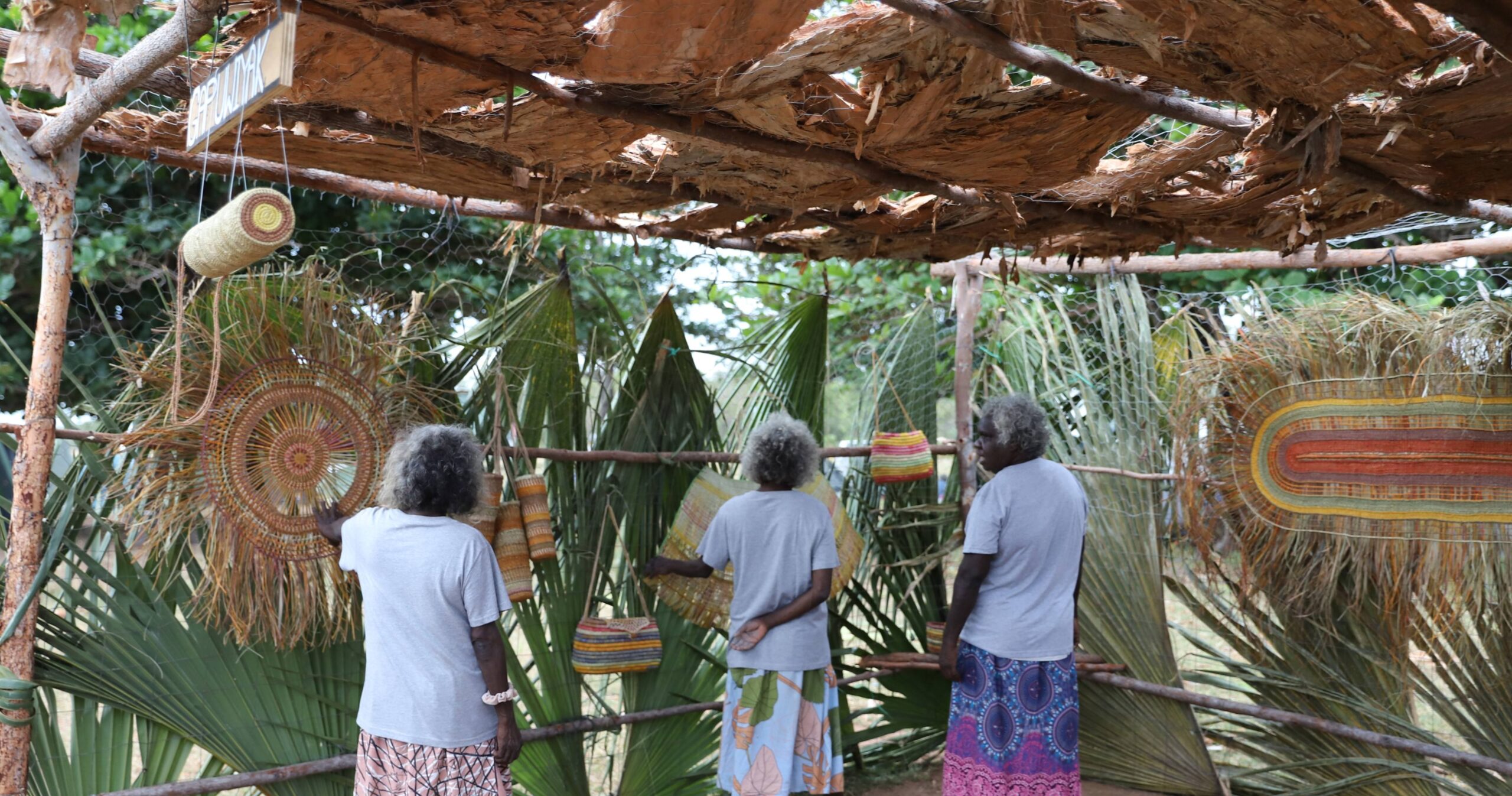
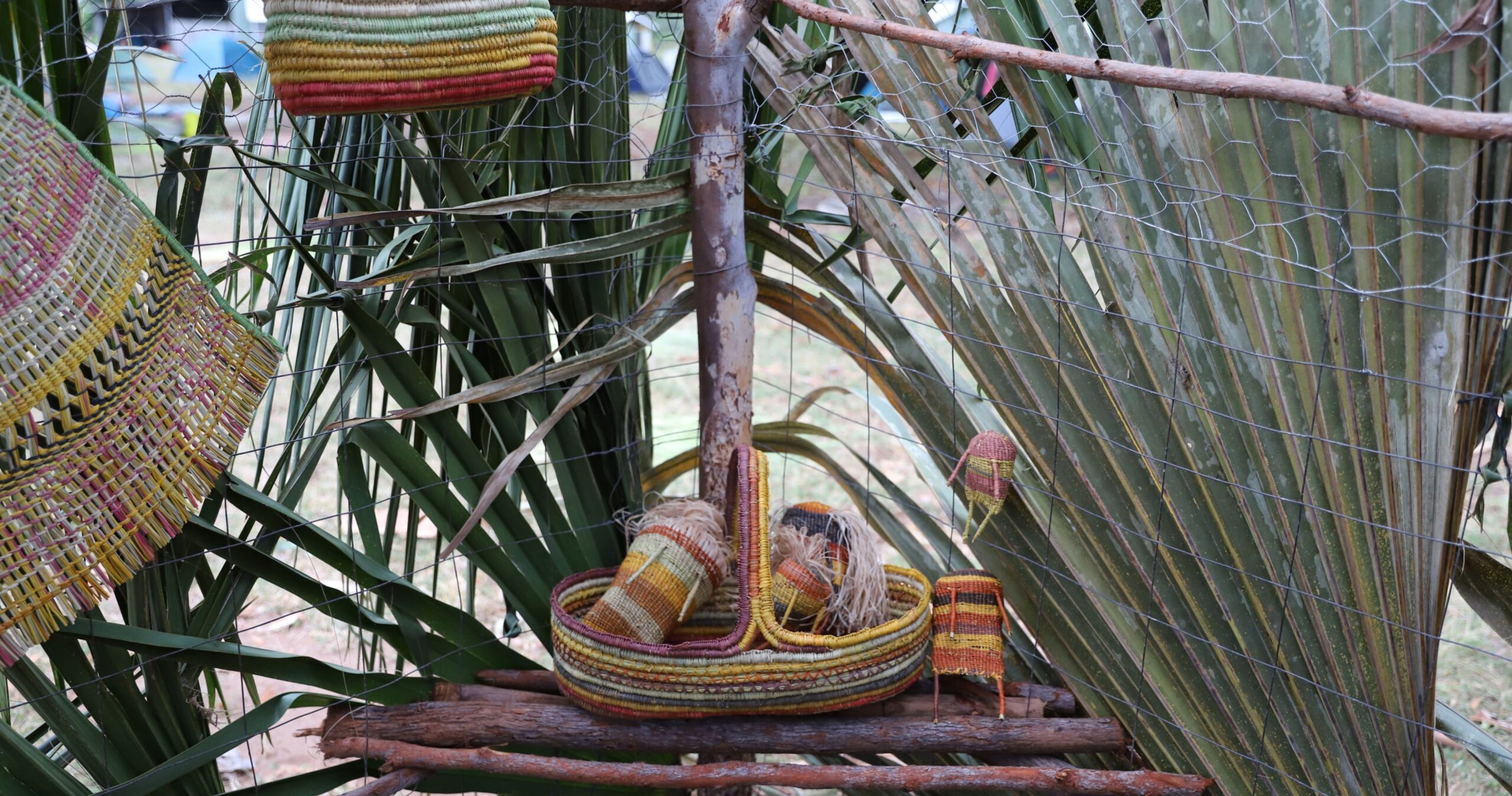
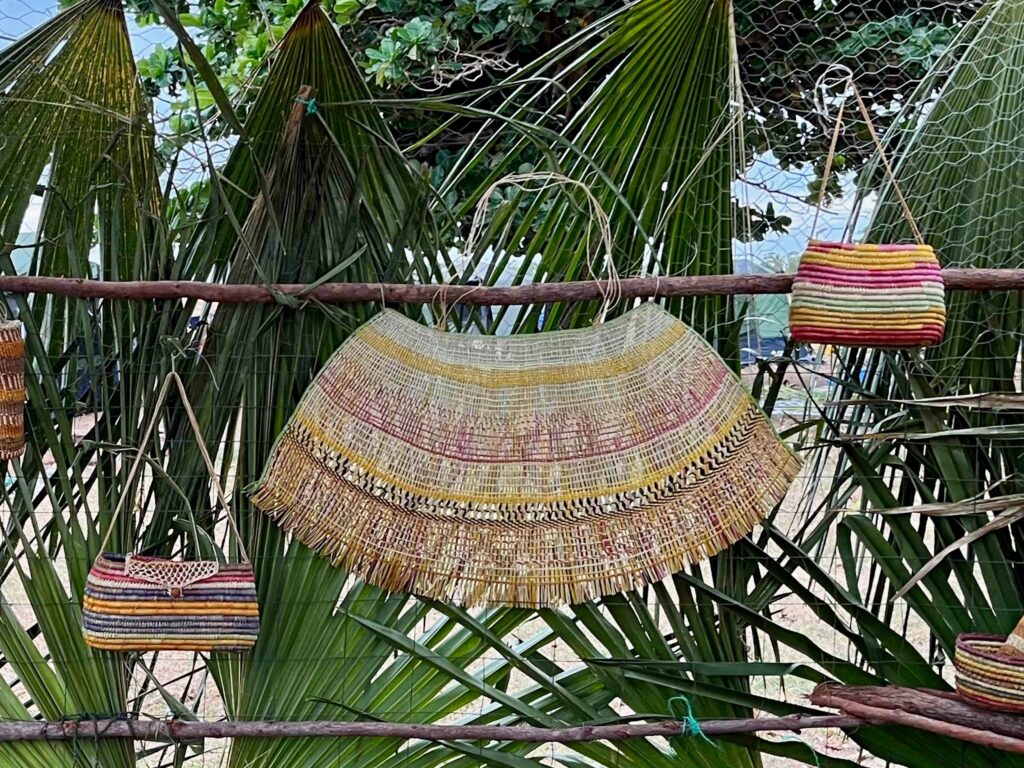
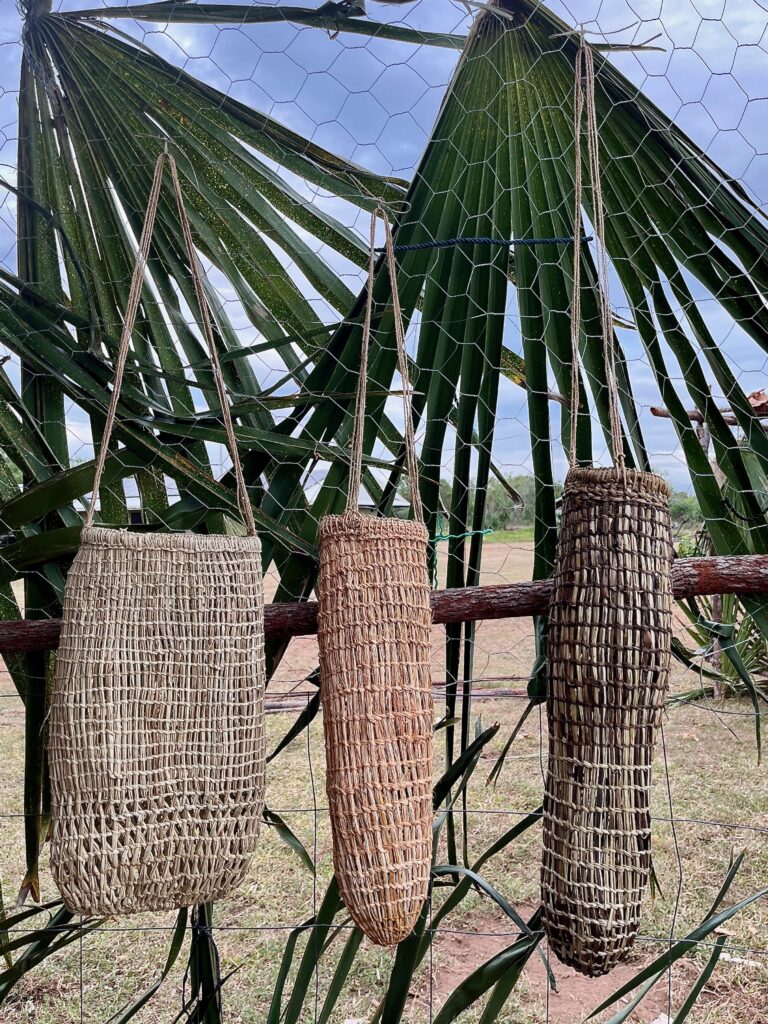
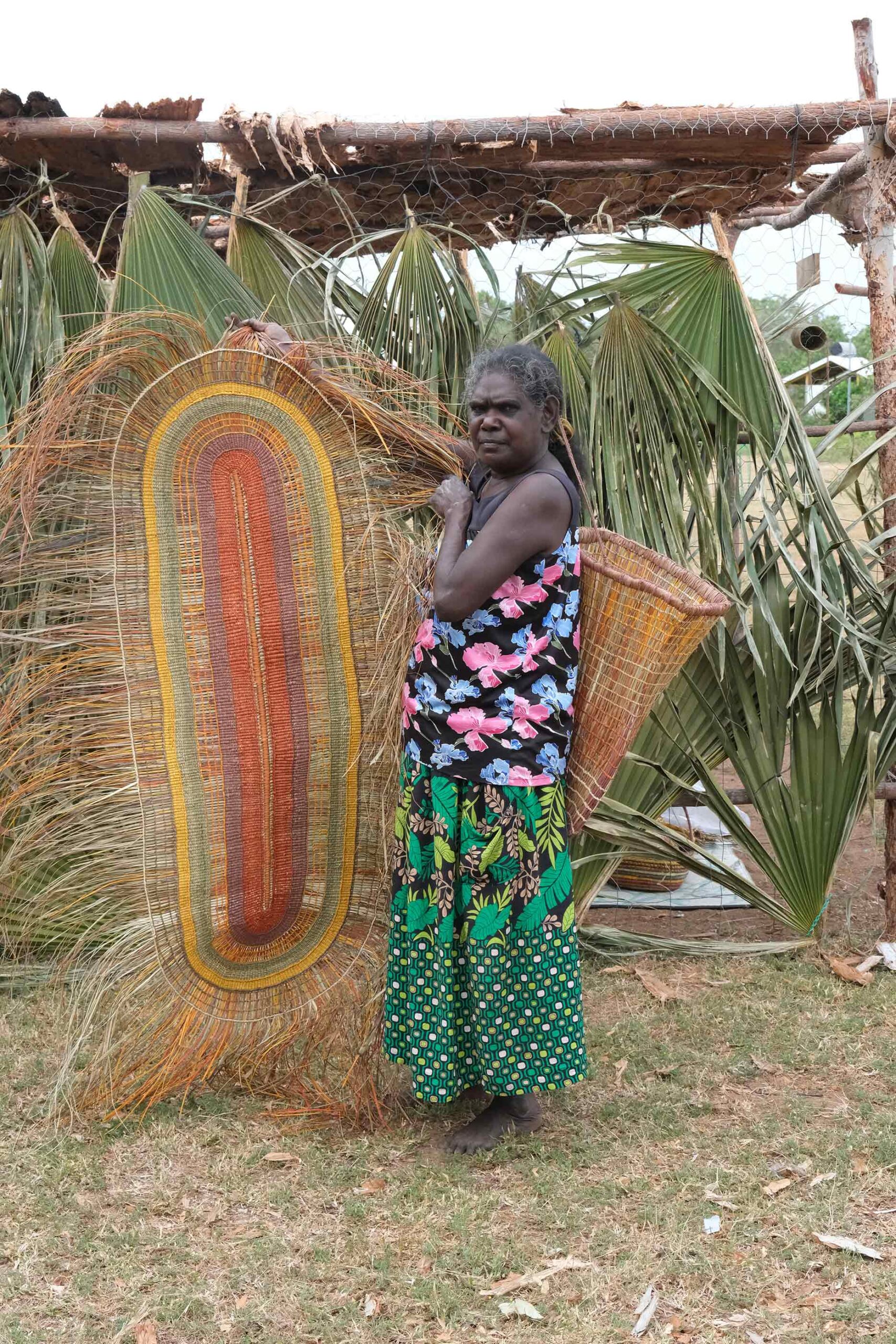
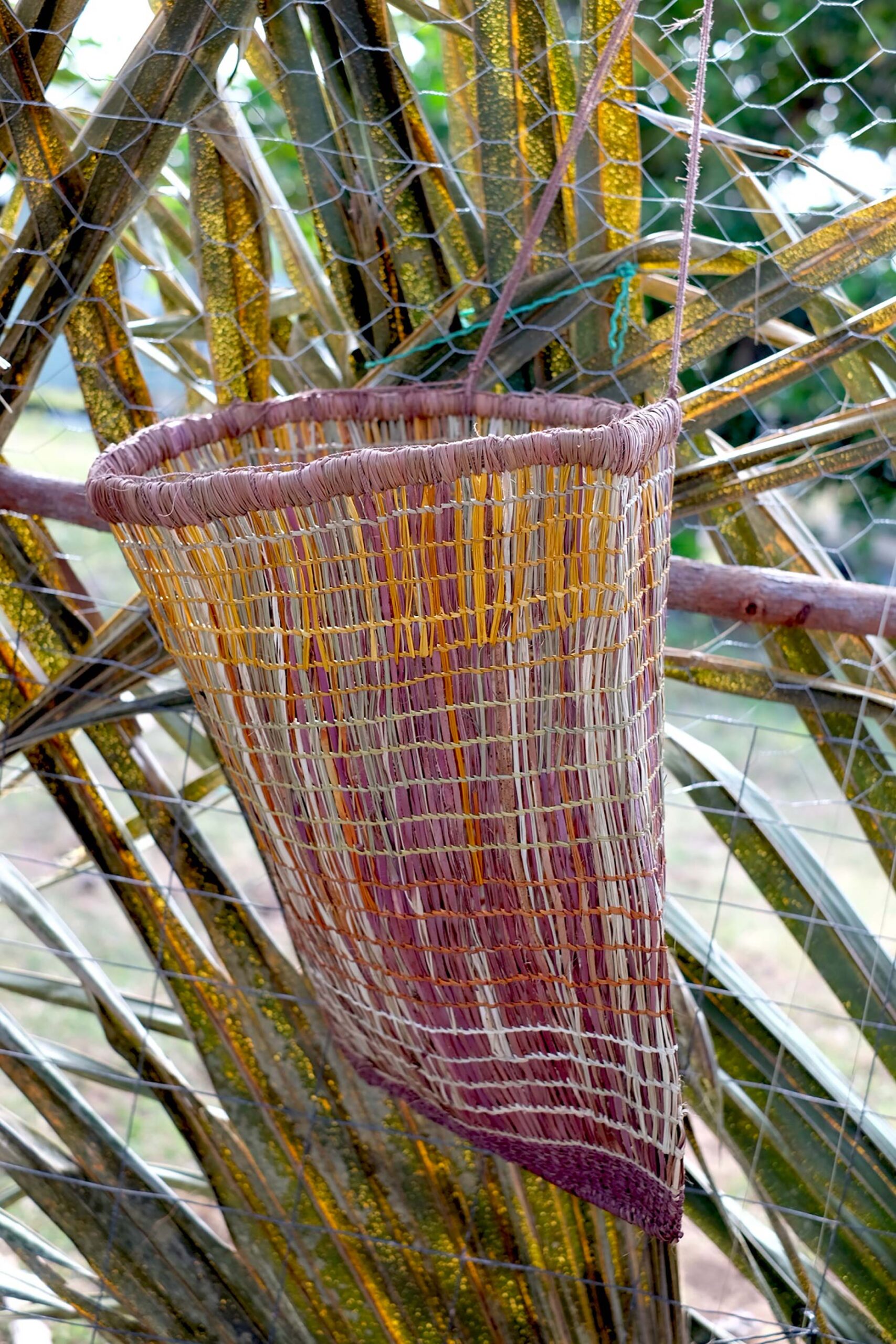
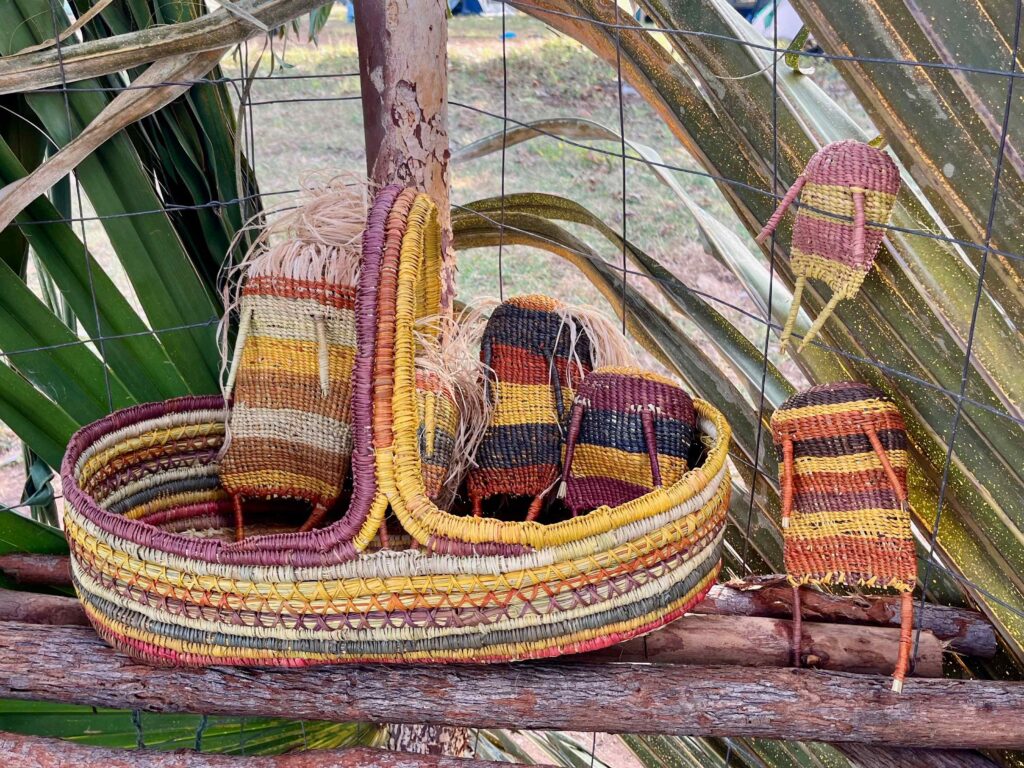
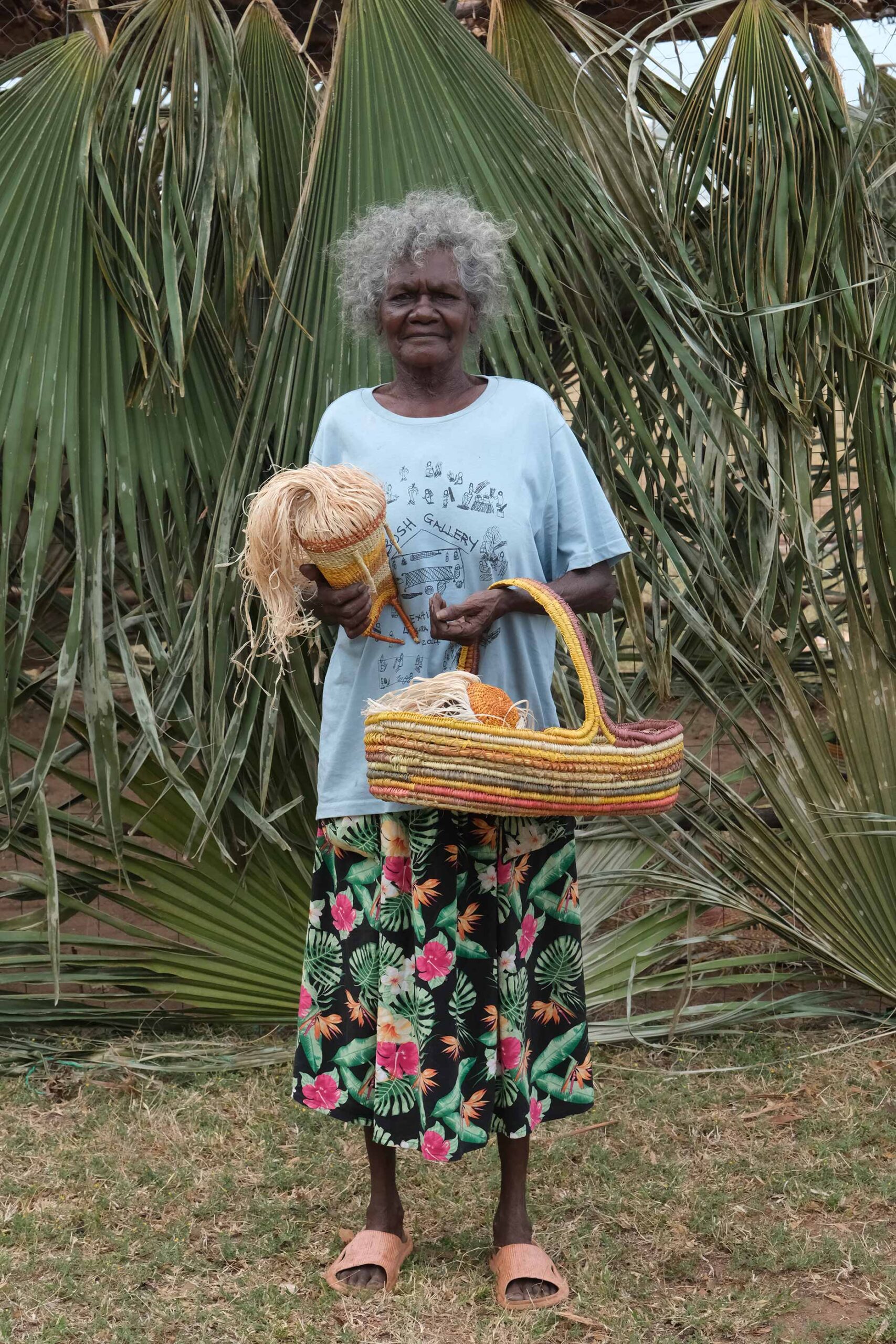
Gapuwiyak artists presented works that showcased their extraordinary colour palette—from the subtle variations of natural materials to bold, contrasting bands achieved through dye baths. They worked with fibres including pandanus, kurrajong, and jungle vine, combining traditional weaving techniques with innovative patterns. The artists created pieces that reflected both cultural continuity and individual expression.
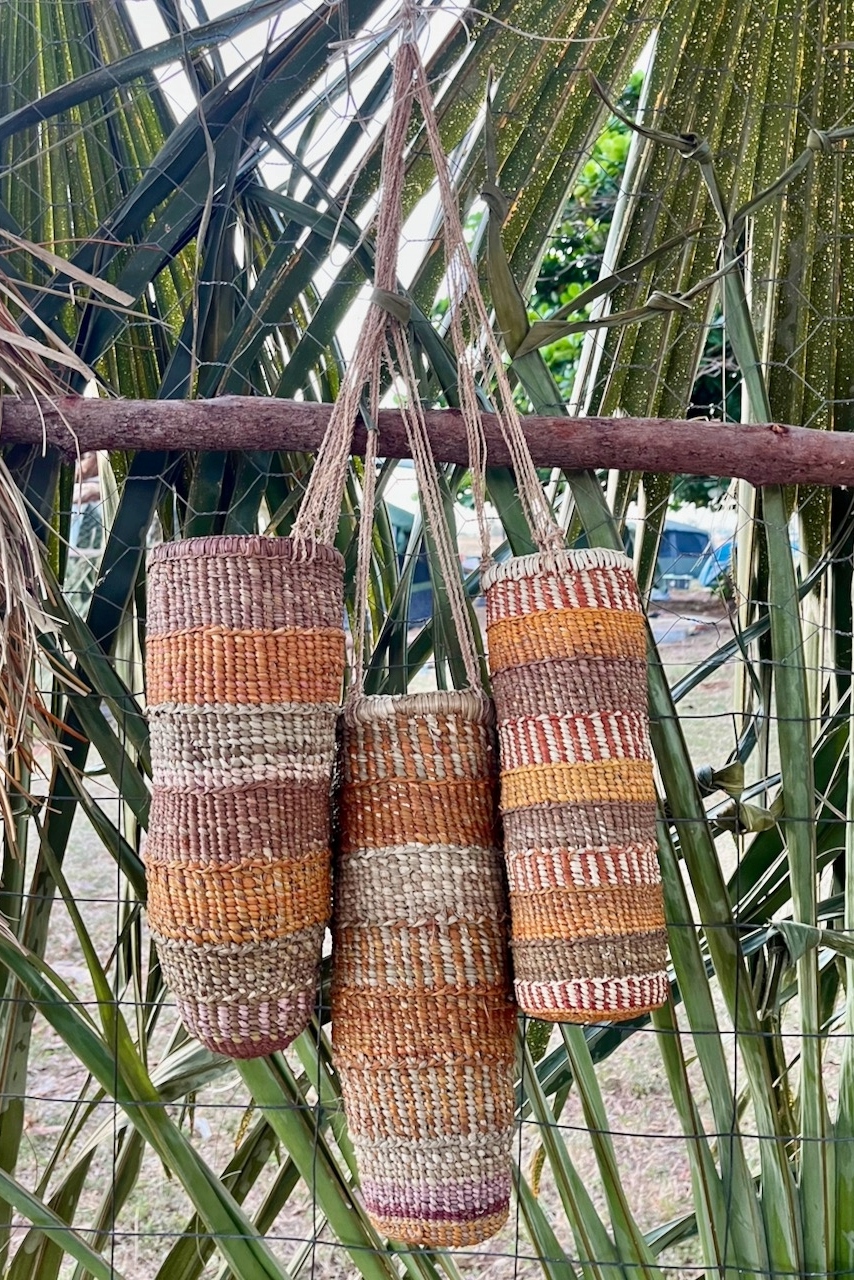
Lucy Wanapuyngu included a skirt form inspired from her work in wearable art as well as some of her signature ‘jelly bean’ style baskets with innovative use of new colours.
More artworks
Artist bio
Dorothy Warrgarrkng Ganambarr
Gapuwiyak Culture and Arts
Language: Dhuwal Ḏäṯiwuy
Clan: Ḏäṯiwuy
Homeland: Rorruwuy
Laŋarra Bush Gallery 2024
Gapuwiyak artists presented works that showcased their extraordinary colour palette—from the subtle variations of natural materials to bold, contrasting bands achieved through dye baths. They worked with fibres including pandanus, kurrajong, and bush cane, combining traditional weaving techniques with innovative patterns. The artists created pieces that reflected both cultural continuity and individual expression.
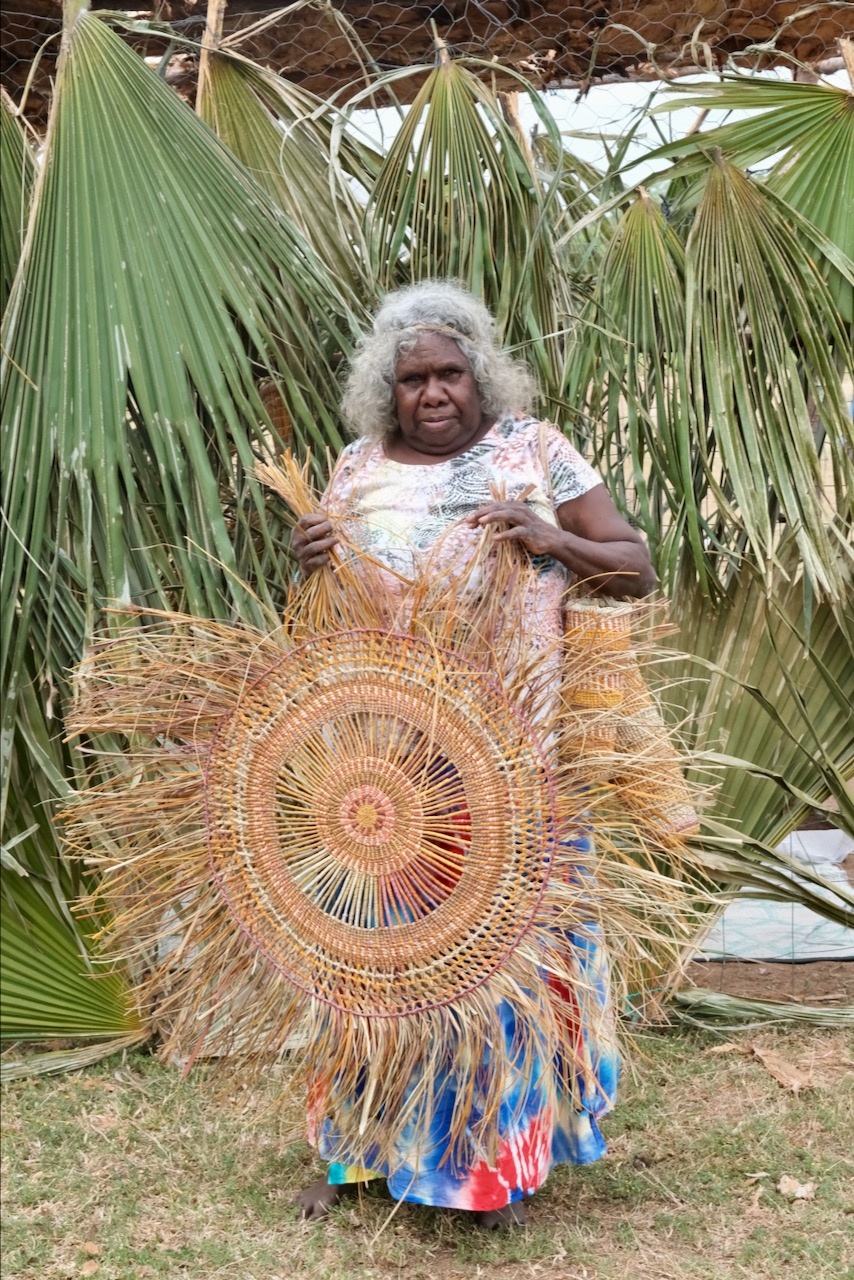
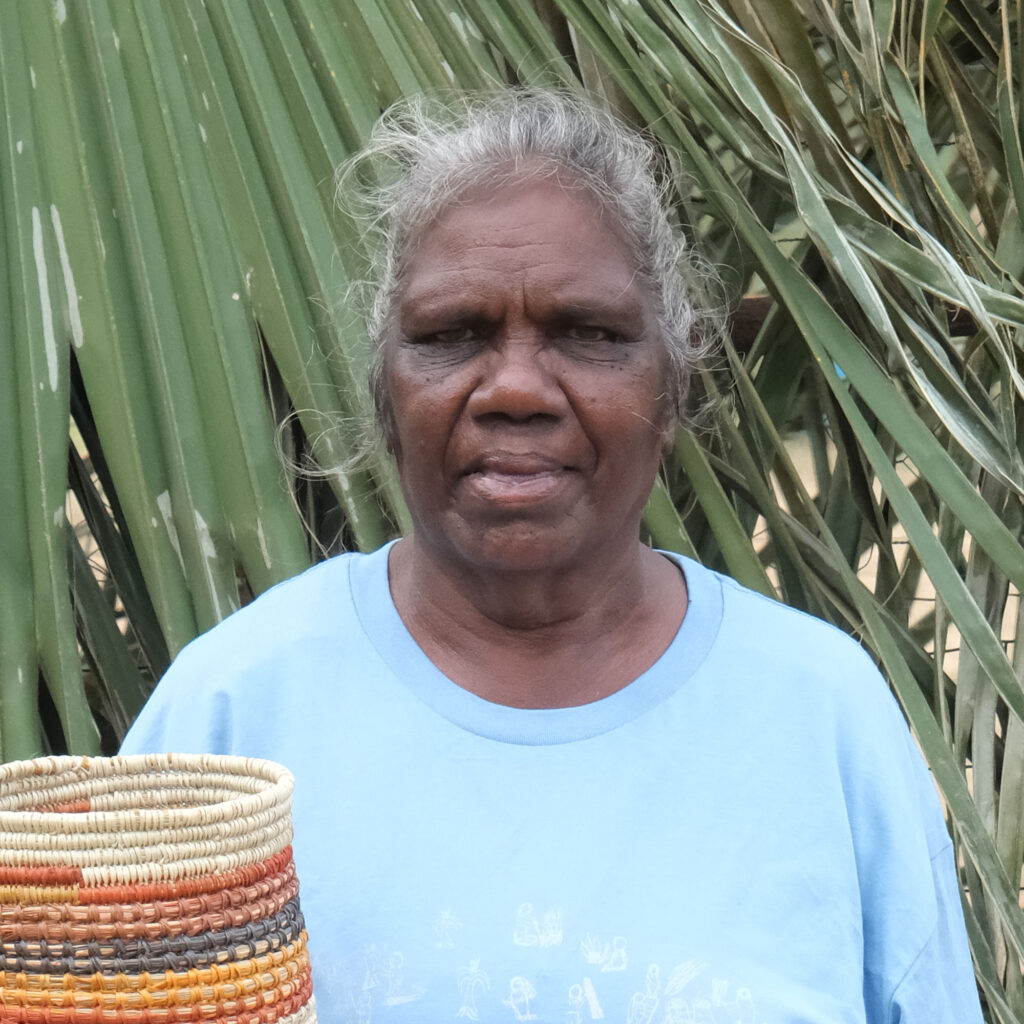
‘I have made many things from pandanus. With this art work, I started making a basket but I kept going. I was thinking about the hollow logs ‘Larrakitj’ we used for funeral ceremonies. I just kept going with pandanus and the colours until I was happy with it.’
– Dorothy Warrgarrkng Ganambarr
More artworks
Artist bio
Juileanne Gitjpulu Malibirr
Gapuwiyak Culture and Arts
Language: Ganalbingu
Clan: Malibirr
Laŋarra Bush Gallery 2024
Gapuwiyak artists presented works that showcased their extraordinary colour palette—from the subtle variations of natural materials to bold, contrasting bands achieved through dye baths. They worked with fibres including pandanus, kurrajong, and bush cane, combining traditional weaving techniques with innovative patterns. The artists created pieces that reflected both cultural continuity and individual expression.
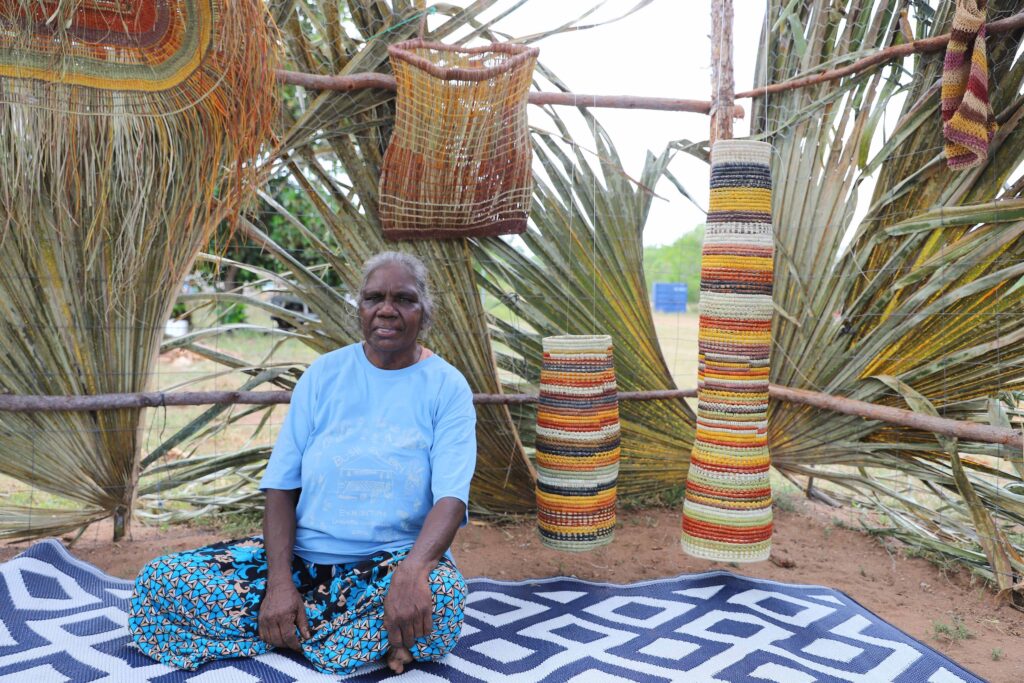
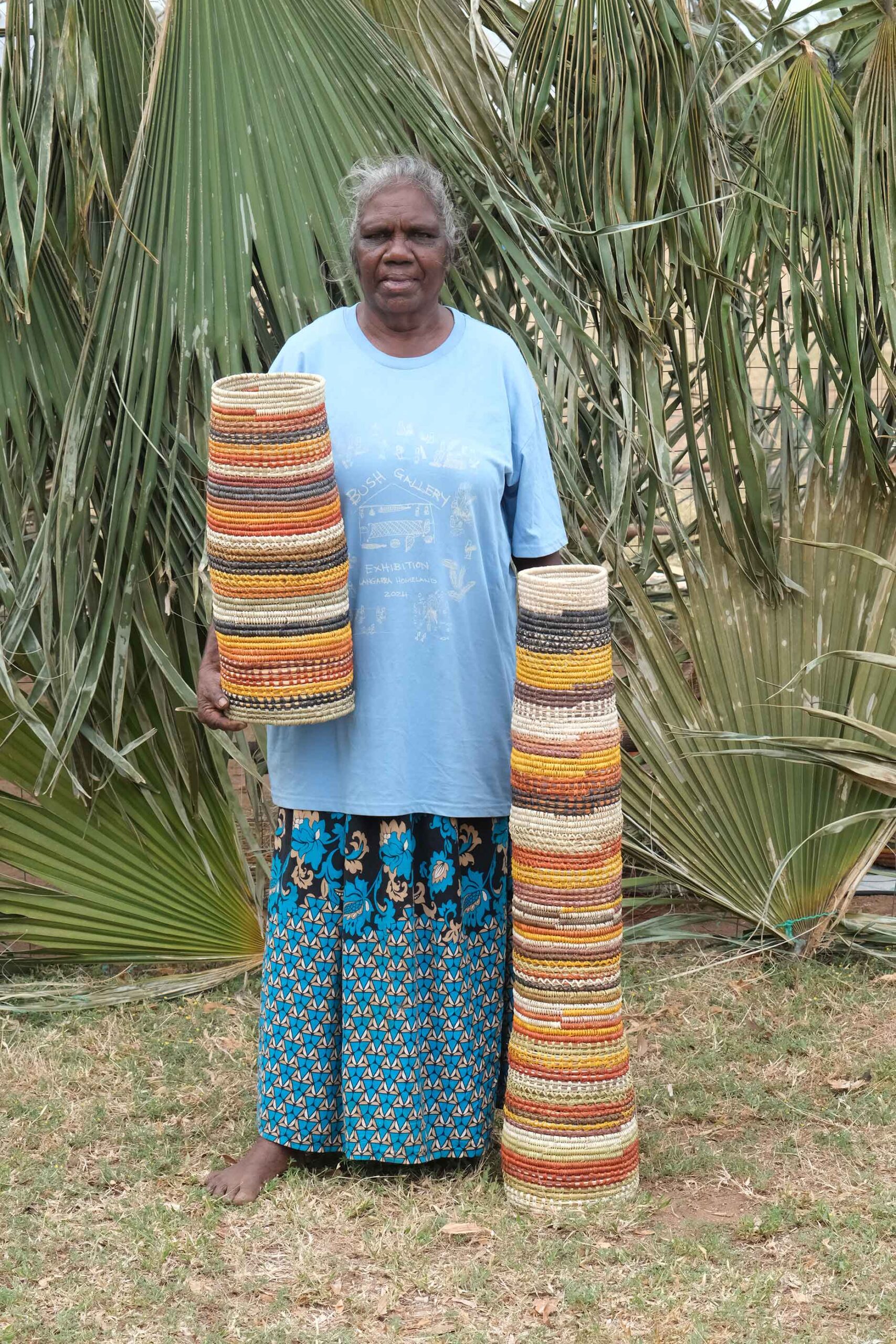
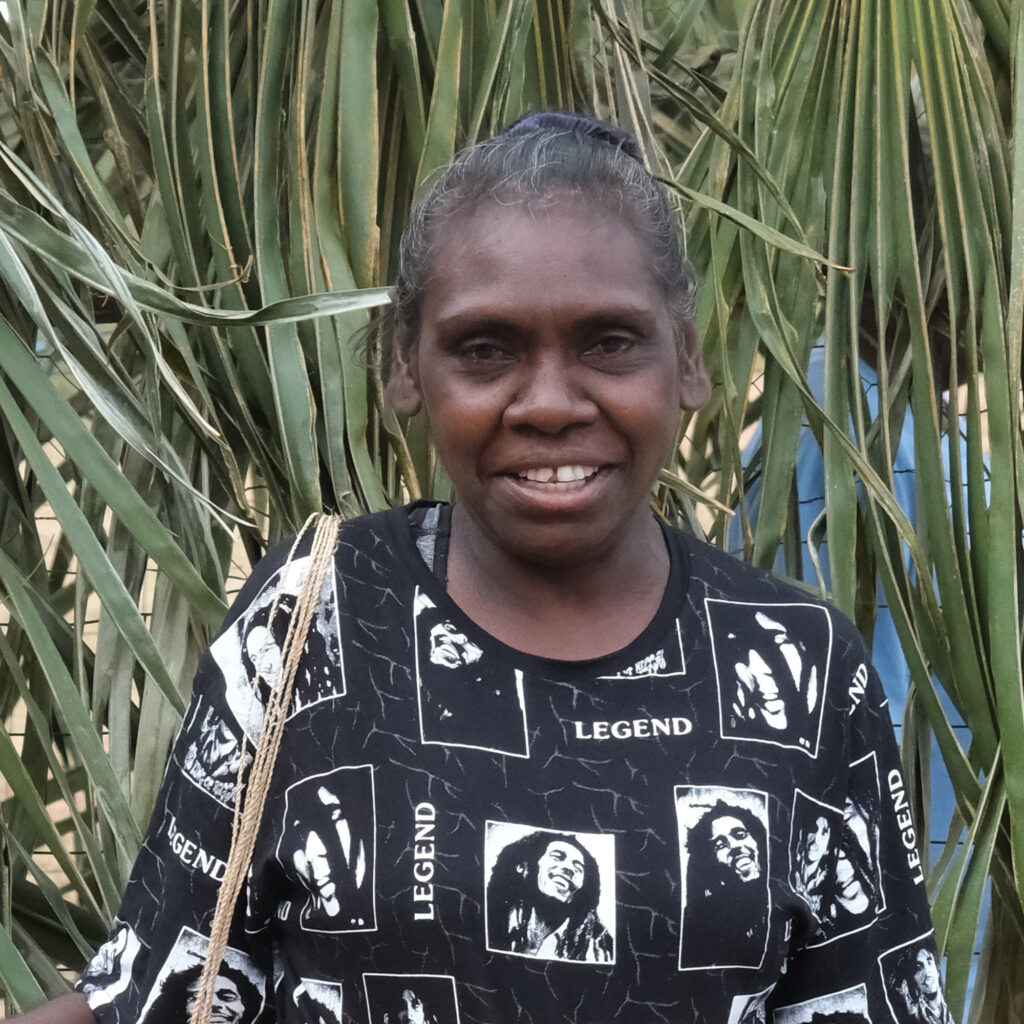
Julieanne Gitjpulu Malibirr has been working on large rectangular pieces inspired by her work on Country to Couture runways, and included some baskets made of split dharwir (bush cane).
More artworks
Artist bio
Julie Bukandjarri
Gapuwiyak Culture and Arts
Langugae: Liya-dhälinymirr Djambarrpuyŋu
Clan: Guyula
Homeland: Marrapay
Laŋarra Bush Gallery 2024
Gapuwiyak artists presented works that showcased their extraordinary colour palette—from the subtle variations of natural materials to bold, contrasting bands achieved through dye baths. They worked with fibres including pandanus, kurrajong, and bush cane, combining traditional weaving techniques with innovative patterns. The artists created pieces that reflected both cultural continuity and individual expression.
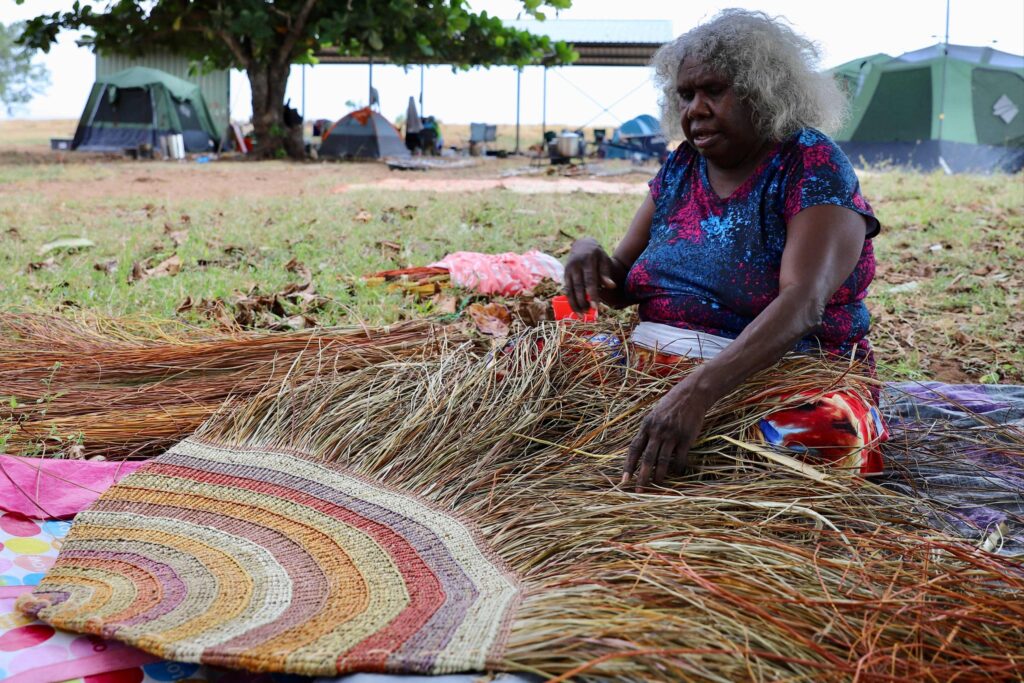
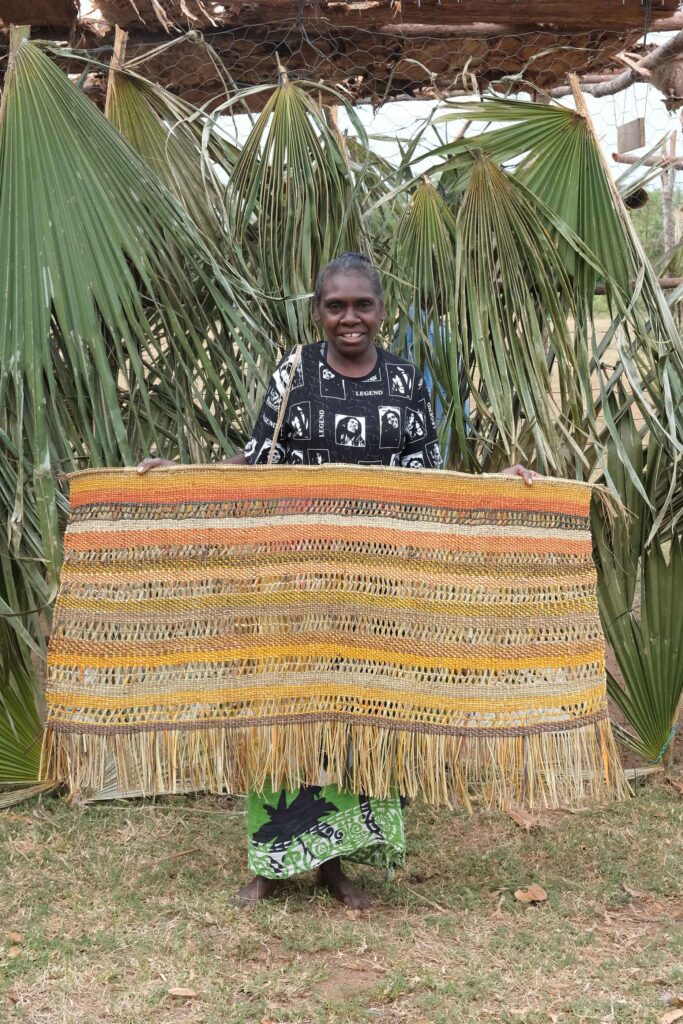
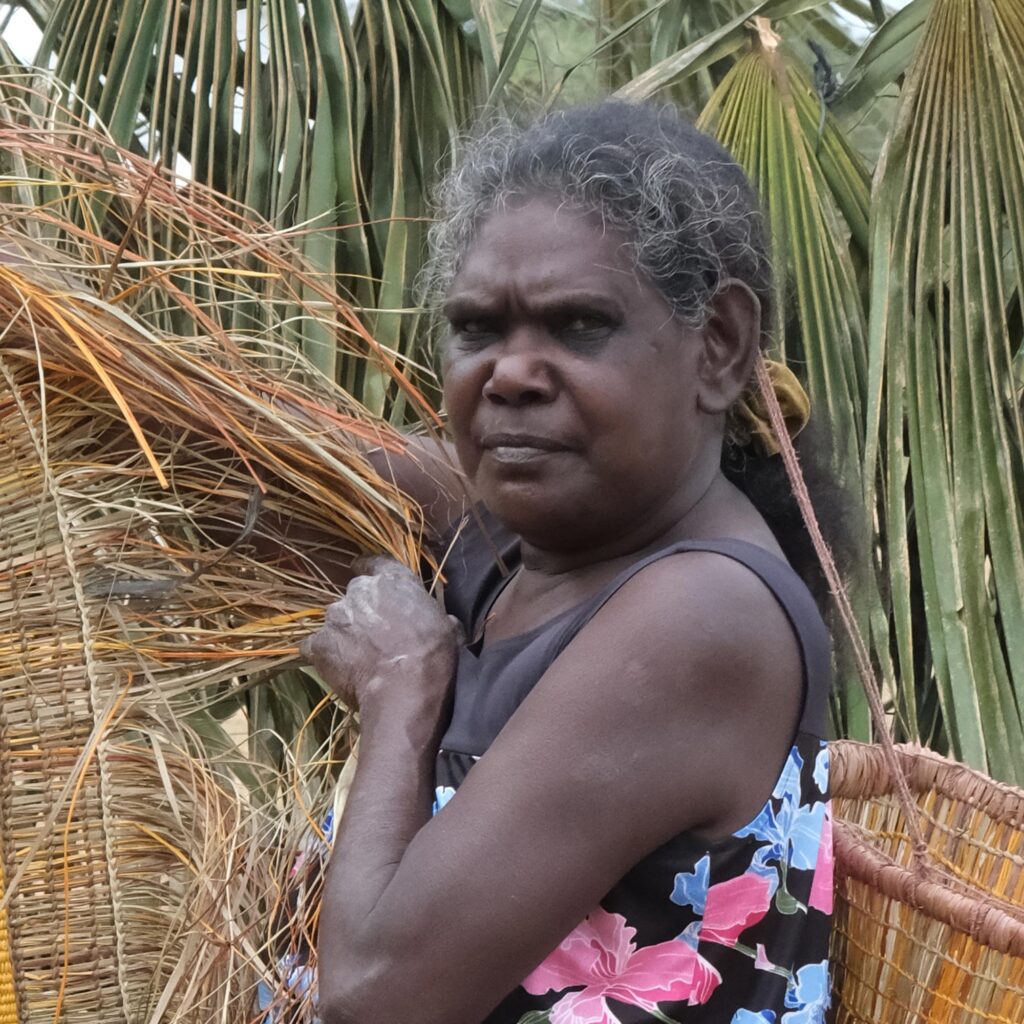
Julie Bukandjarri wanted to make a big mat.
More artworks
Artist bio

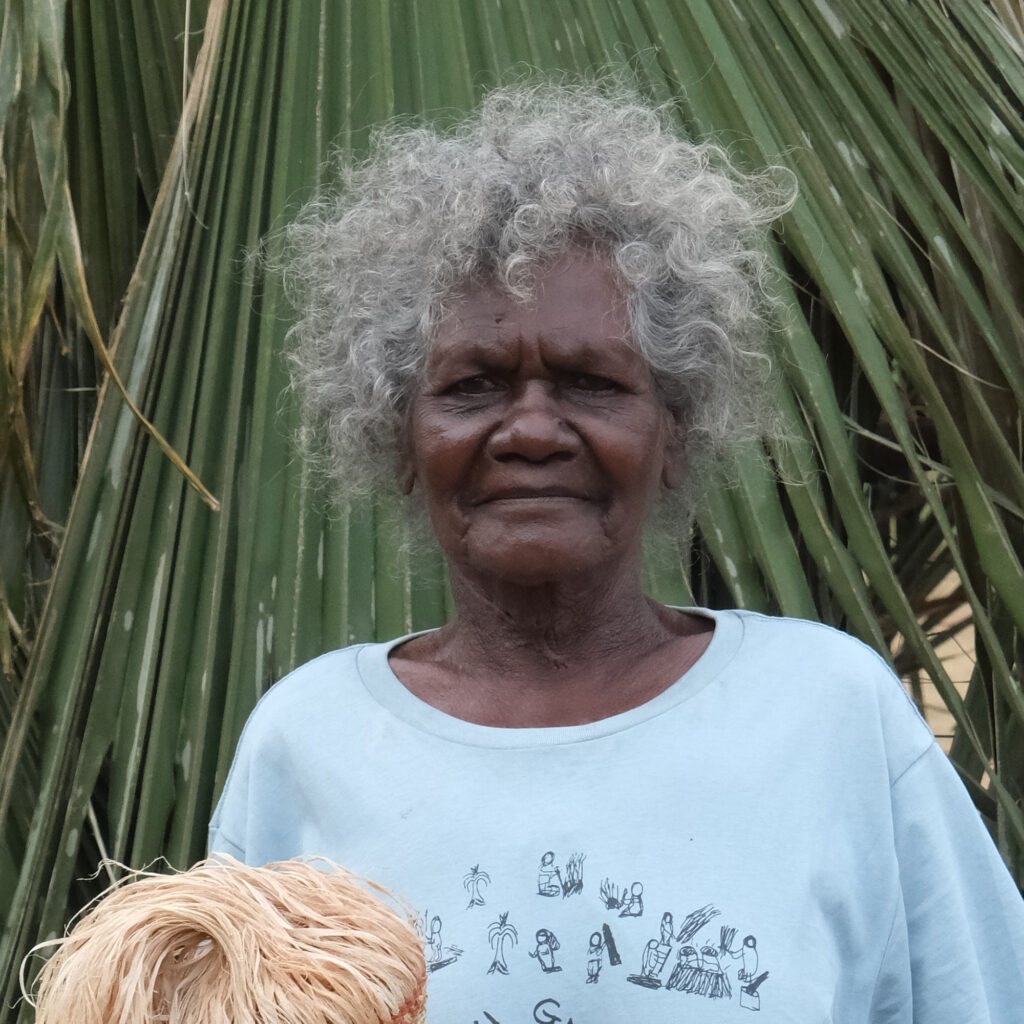
Kathy Ninyapuya Guyula
Gapuwiyak Culture and Arts
Langugae: Djambarrpuyngu
Clan: Guyula
Laŋarra Bush Gallery 2024
Gapuwiyak artists presented works that showcased their extraordinary colour palette—from the subtle variations of natural materials to bold, contrasting bands achieved through dye baths. They worked with fibres including pandanus, kurrajong, and bush cane, combining traditional weaving techniques with innovative patterns. The artists created pieces that reflected both cultural continuity and individual expression.
Kathy Ninyapuya made her Dolly Dolly’s, this is what she always makes.
More artworks
Artist bio
Roslyn Malŋumba Guyula
Gapuwiyak Culture and Arts
Language: Djambarrpuyŋu
Clan: Guyula
Country: Mäpuru
Laŋarra Bush Gallery 2024
Gapuwiyak artists presented works that showcased their extraordinary colour palette—from the subtle variations of natural materials to bold, contrasting bands achieved through dye baths. They worked with fibres including pandanus, kurrajong, and bush cane, combining traditional weaving techniques with innovative patterns. The artists created pieces that reflected both cultural continuity and individual expression.
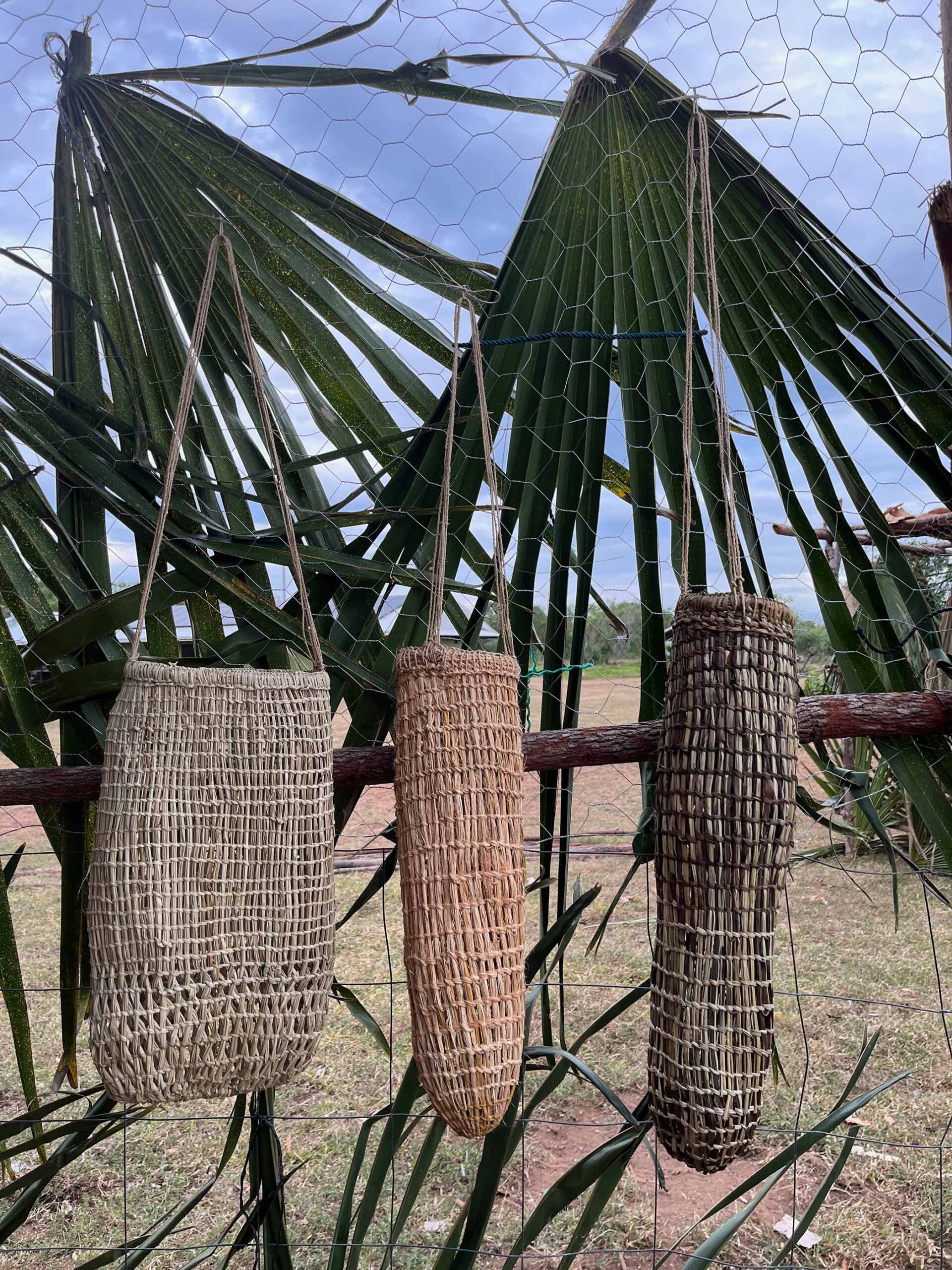
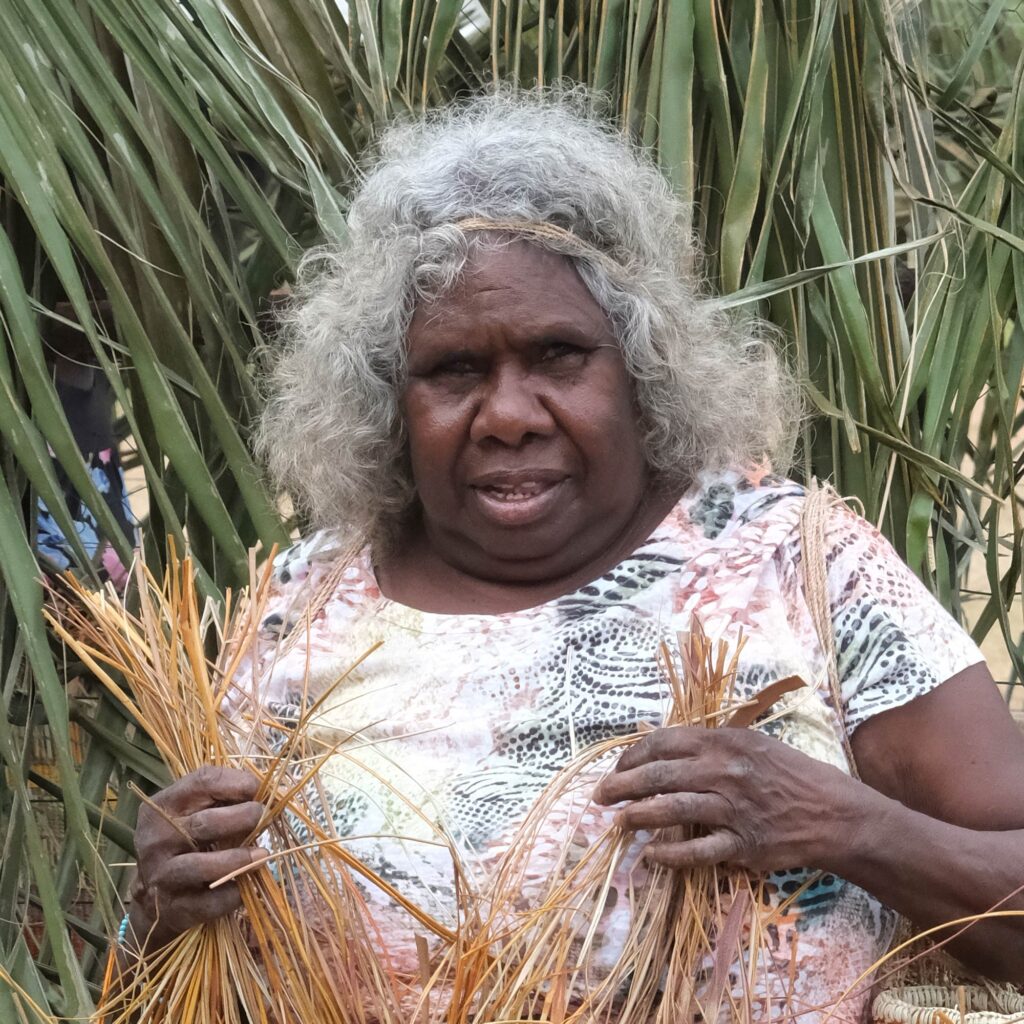
Roslyn Malngumba made ribbed dilly bags and a mat using a new technique that involved wrapping pandanus.
More artworks
Artist bio