

Click on the play buttons below to hear from artists.
Business
Listen
Sharing food
Listen
Art
Listen
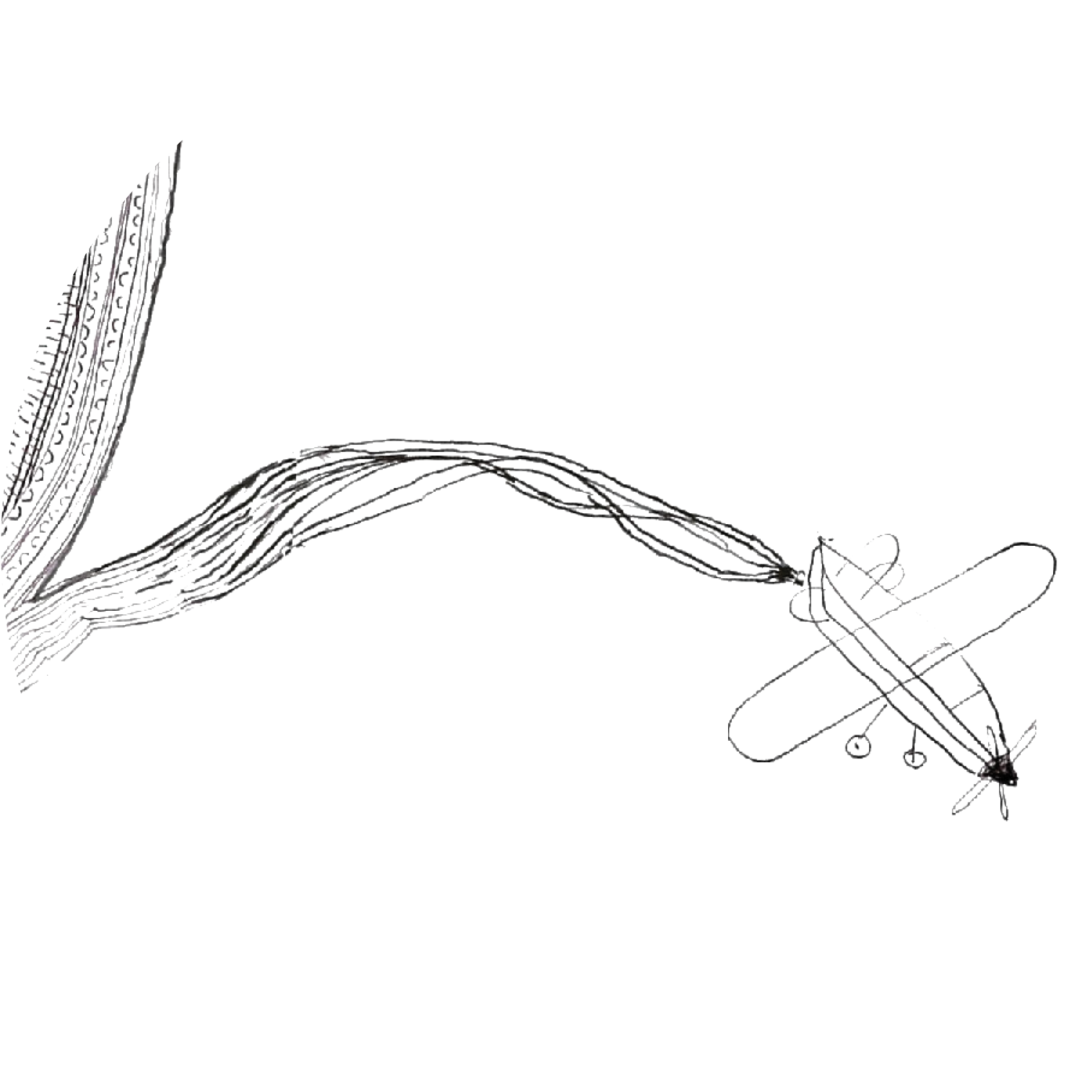
Mission Time
Listen
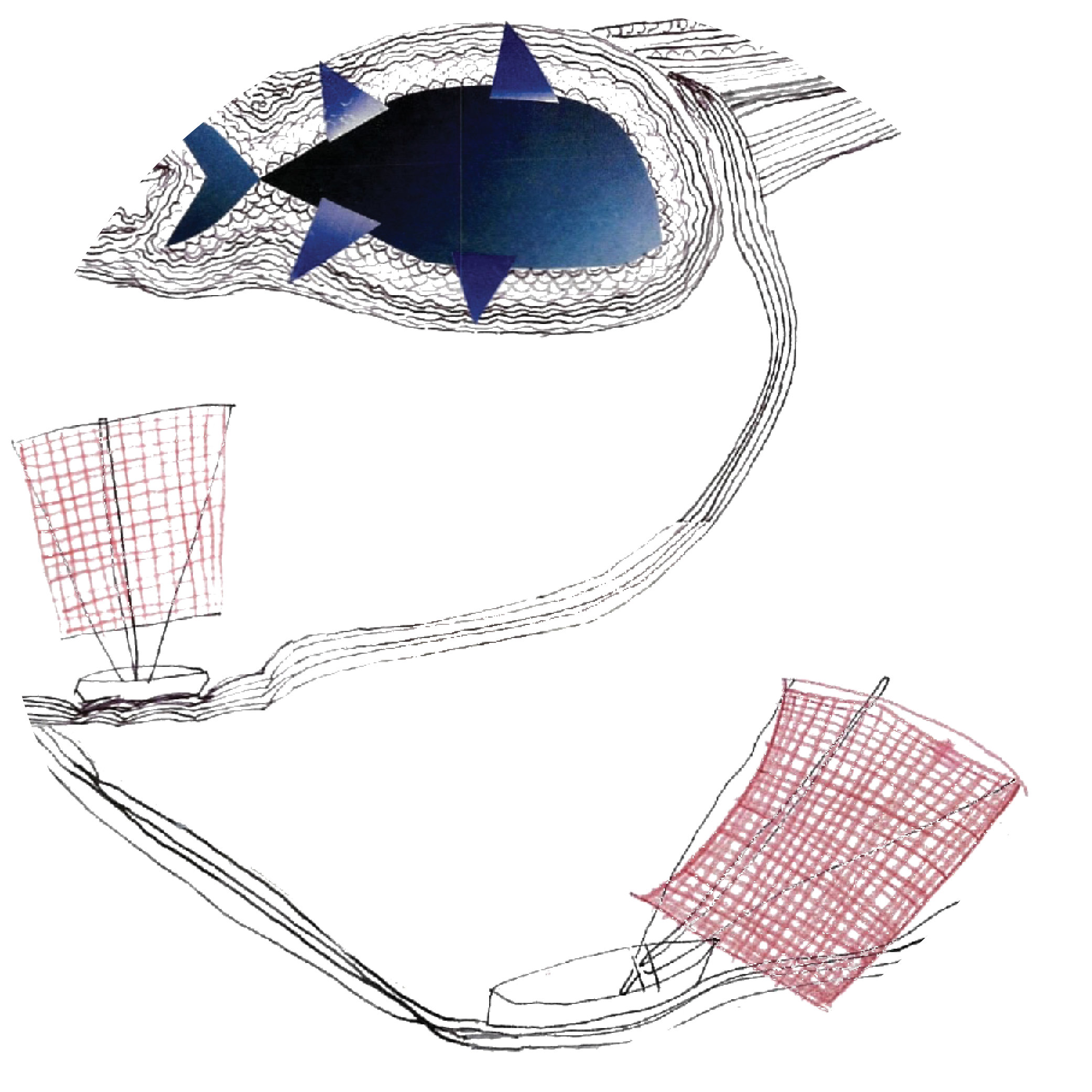
Trade
Listen
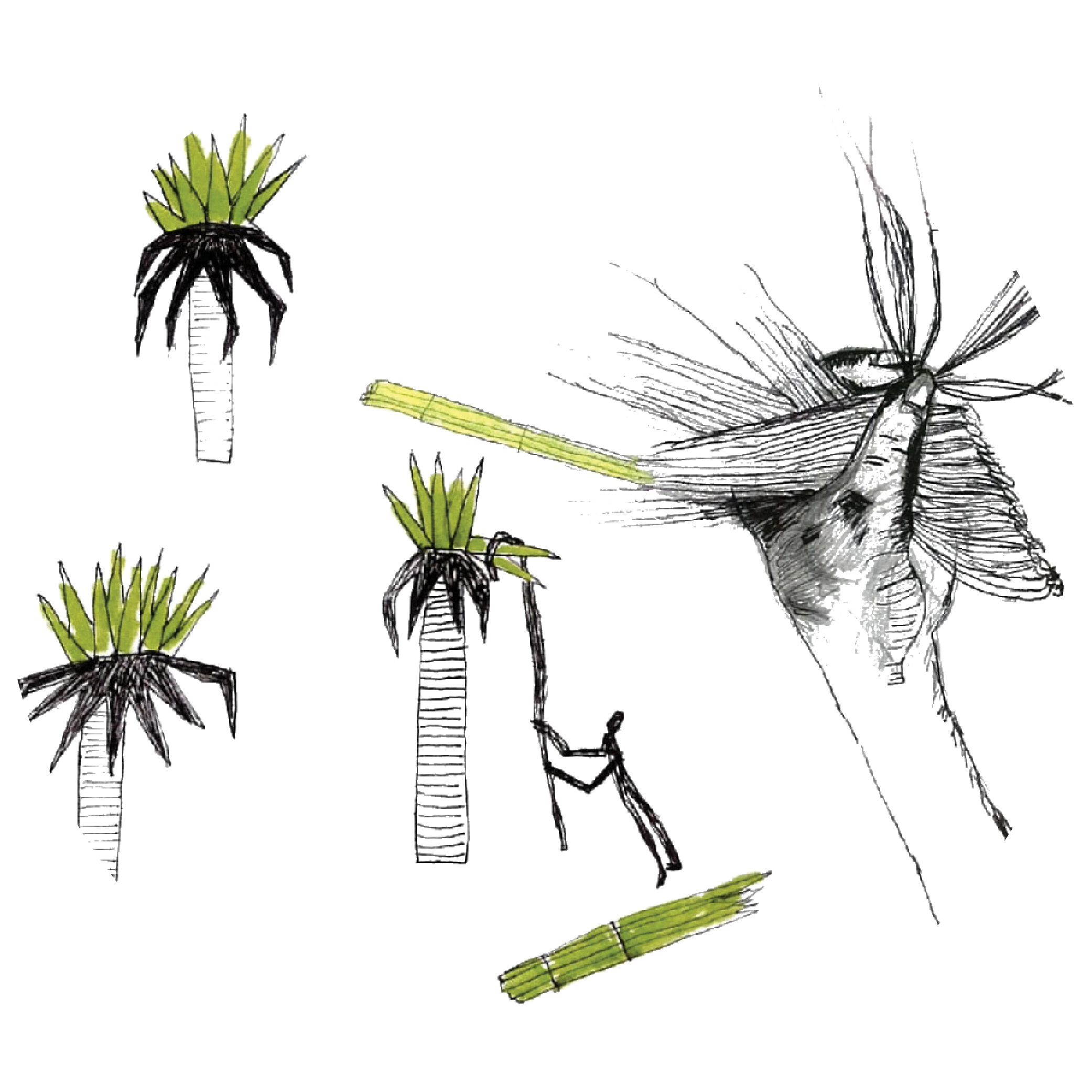
Bush materials
Listen
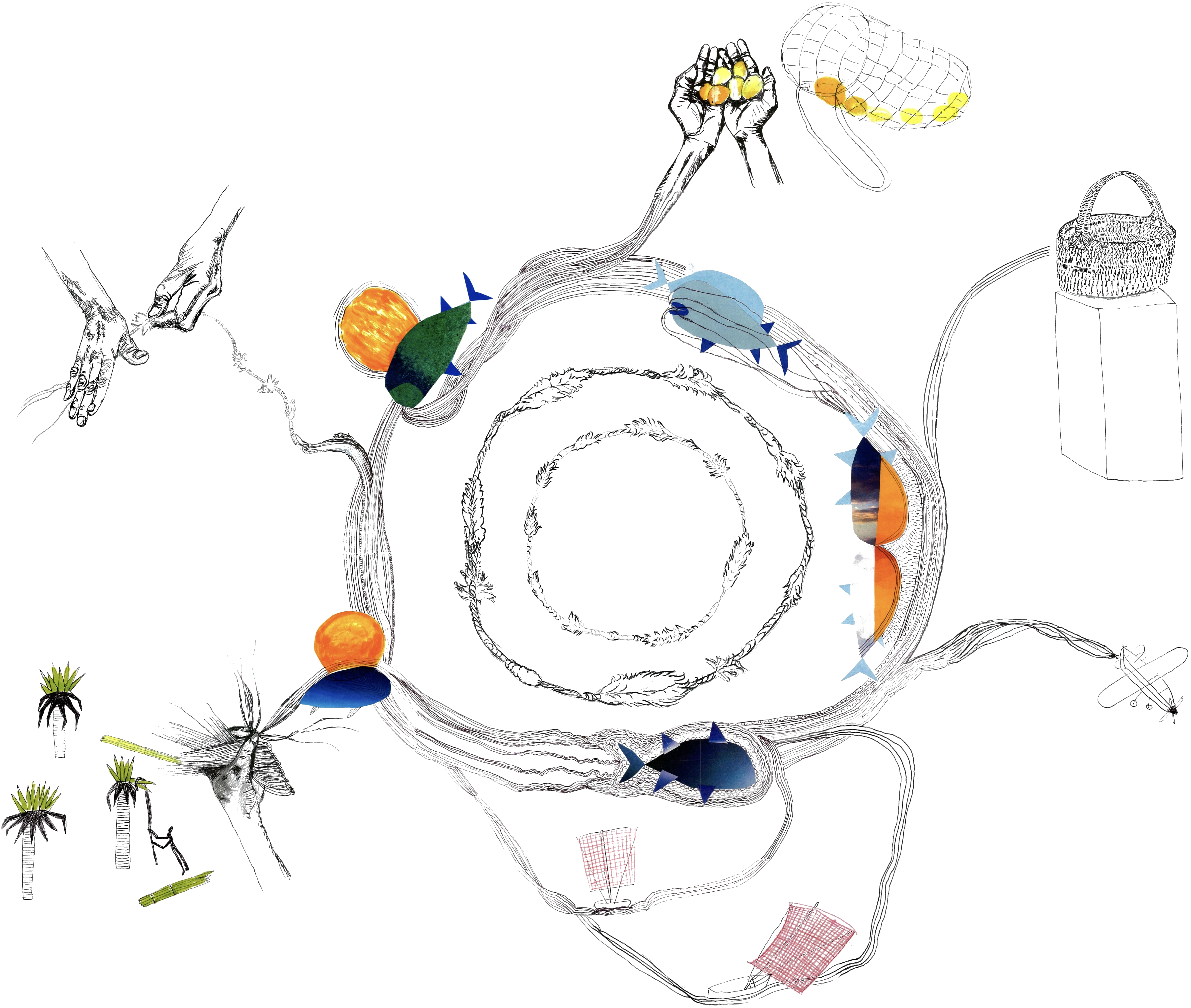
We made this to share how weaving is part of our djalkirri (foundation). The ŋuykal (sacred trevally), swims from sunrise to sunset country pulling the raki (sacred string). Much of the land and sea country that belongs to the Bush Gallery artists is linked by the ŋuykal. Ŋuykal and raki is part of our songlines and belongs to Mandjikay people.
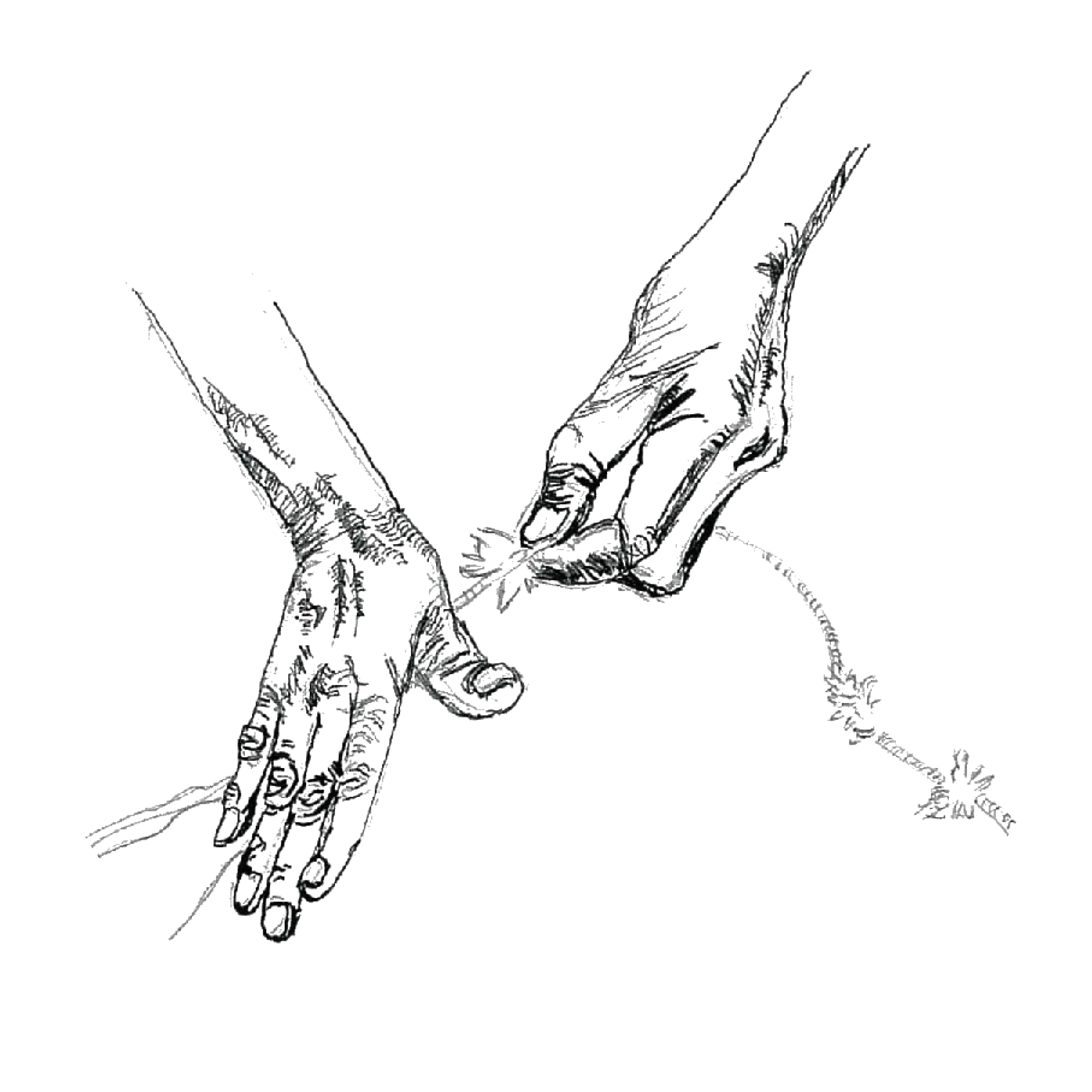
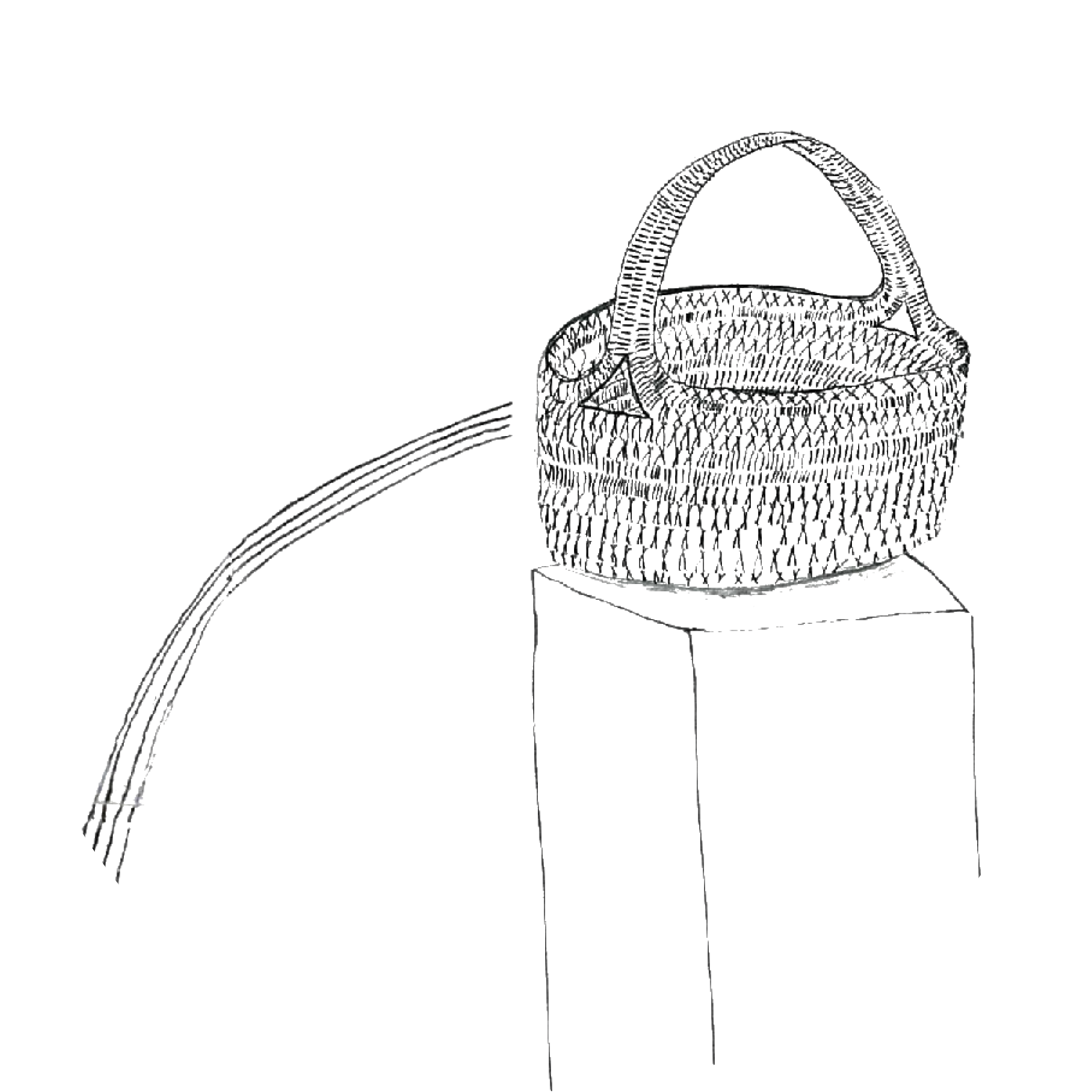
During ceremony we come together to make ourselves beautiful with matjka, string worn on the body, and mindirr (dilly bags). Everything comes from Country. We harvest our fibres from the diltji ga raŋi (bush and rocky shore).
Weaving also tells the story of relationships. Our ancestors worked together with Makassan sailors and fishermen. We remember our parents twining sails for their canoe.
New ideas for baskets and making colour from plants came with the missionaries as they encouraged the trade of art and craft for rations. Bäpa (Father) Sheppy visited the homelands in his small plane. He delivered rations and collected carvings, paintings and weavings to sell to anthropologists. You can travel to museums all over the world and see our weavings. Not just in the museum the art gallery too. Today we are proud artists.
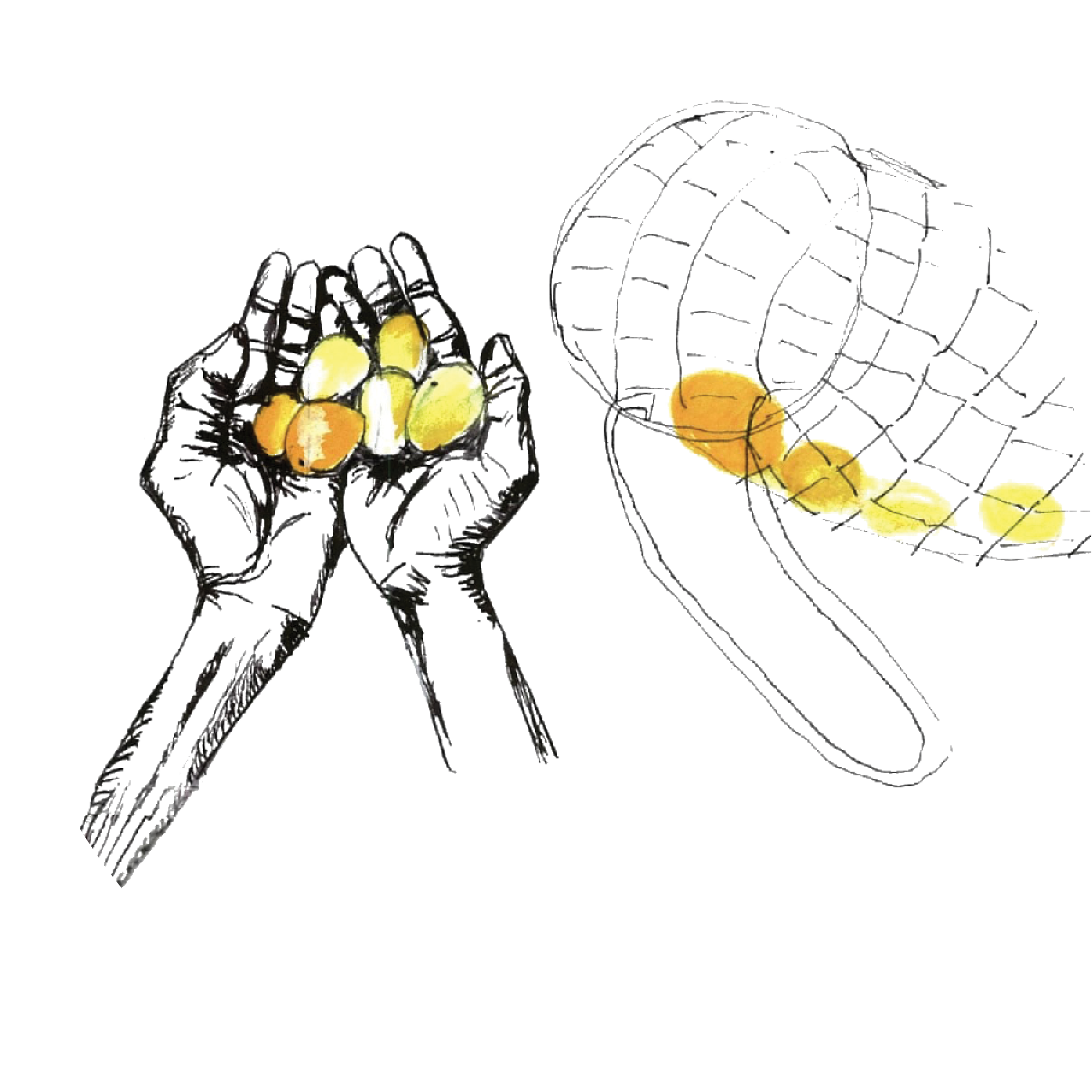
You can see weaving is for collecting food, it is our songlines, our ceremony, our djäma (work), it speaks of our future, present and past.